Volcano profile · Mexico
Colima
Volcán de Fuego
One of Mexico’s most active volcanoes — a steep young cone where lava-dome growth, explosions and collapse can send hot volcanic material rapidly down the flanks.
Latest activity and alert levelCheck the live status hub
Volcán de Colima can shift between degassing, lava extrusion and explosive activity. View the Volcoholics volcano directory for the latest verified official monitoring information.
View latest Colima status →Mexico’s restless fire volcano
The active cone is only half of the Colima skyline
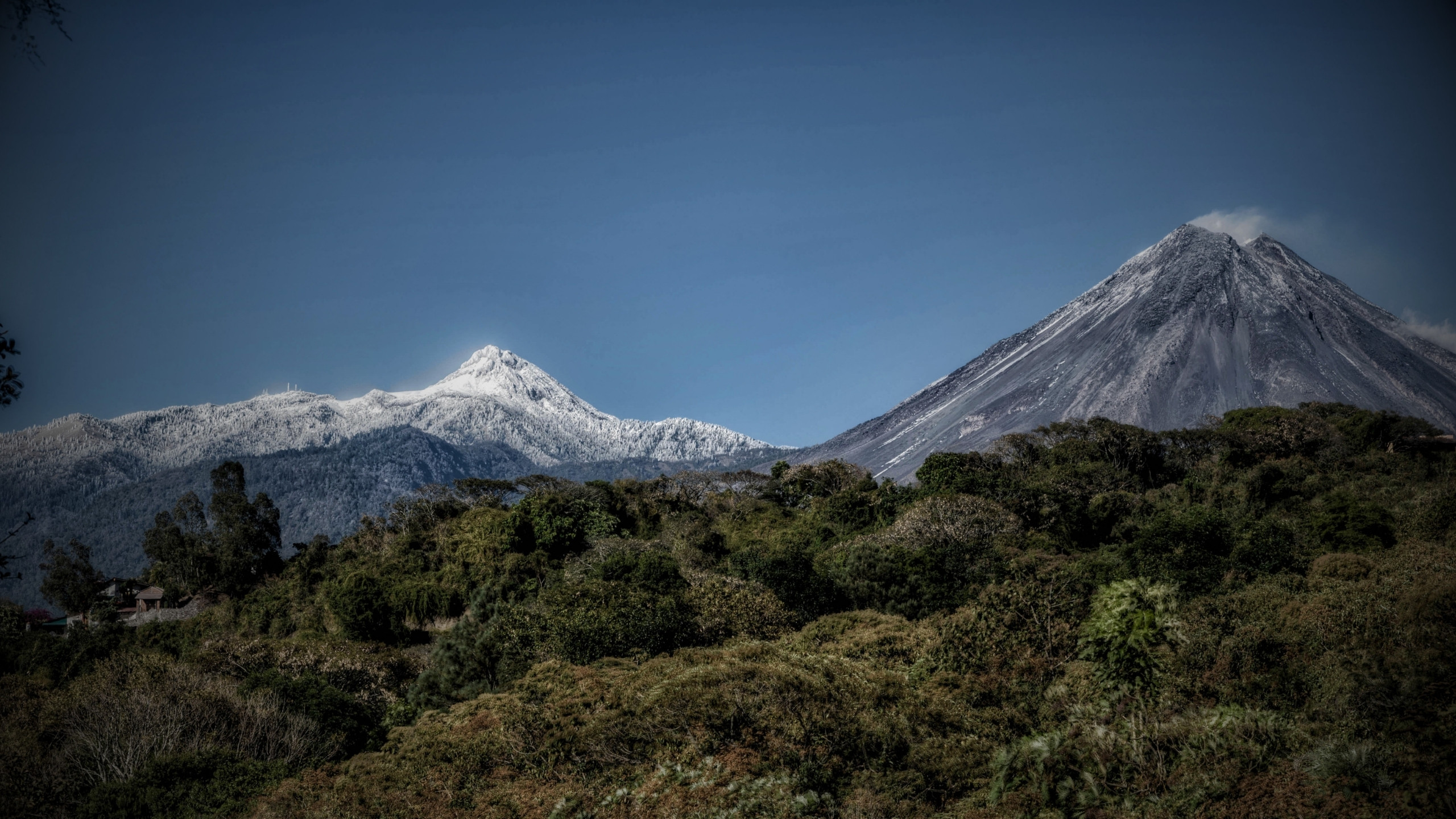
Volcán de Colima — also known as Volcán de Fuego — forms the younger, historically active part of the Colima Volcanic Complex in western Mexico.
Immediately to its north stands the older Nevado de Colima. Together the neighbouring edifices create one of Mexico’s most recognisable volcanic landscapes, but it is the younger Fuego cone that has produced the complex’s recent historical eruptions.
Colima is especially well known for cycles of viscous lava extrusion, lava-dome growth, explosions and gravitational collapse. When hot unstable material fails, pyroclastic density currents can descend the steep radial valleys at high speed.
~3,820 mActive cone elevation
StratovolcanoVolcano type
Volcán de FuegoHistorically active cone
MexicoWestern volcanic arc
Colima quick facts
- Common name
- Volcán de Colima
- Active cone
- Volcán de Fuego
- Neighbour
- Nevado de Colima
- Signature process
- Dome collapse
- Key hazard
- Pyroclastic currents
Activity and behaviour
Lava growth, explosions and collapse can happen in the same eruptive cycle
Evergreen profile
How Colima behaves
Colima’s modern eruptive behaviour often alternates between extrusion of viscous lava, growth of summit domes or lava lobes, explosive ash emissions and collapse. This makes the upper cone dynamic even when activity is not dominated by large explosions.
Check the latest verified status →Characteristic processLava extrusionViscous lava can accumulate around the summit vent
Collapse hazardBlock-and-ash flowsHot dome material can fragment and race downslope
Explosive activityAsh plumesExplosions can rapidly inject ash above the summit
Flank processLaharsRain remobilises ash and debris through established valleys
MonitoringMulti-parameterSeismic, visual, gas and deformation observations are combined
Dome instability
A growing lava dome can become its own hazard
Viscous lava does not always flow cleanly away from the vent. At Colima it can pile up into unstable domes and thick lobes. Gravity, explosions or continued extrusion can destabilise them, sending incandescent blocks and hot ash down the flanks.
Colima Volcanic Complex
Nevado and Fuego share the skyline, but not the same eruptive role
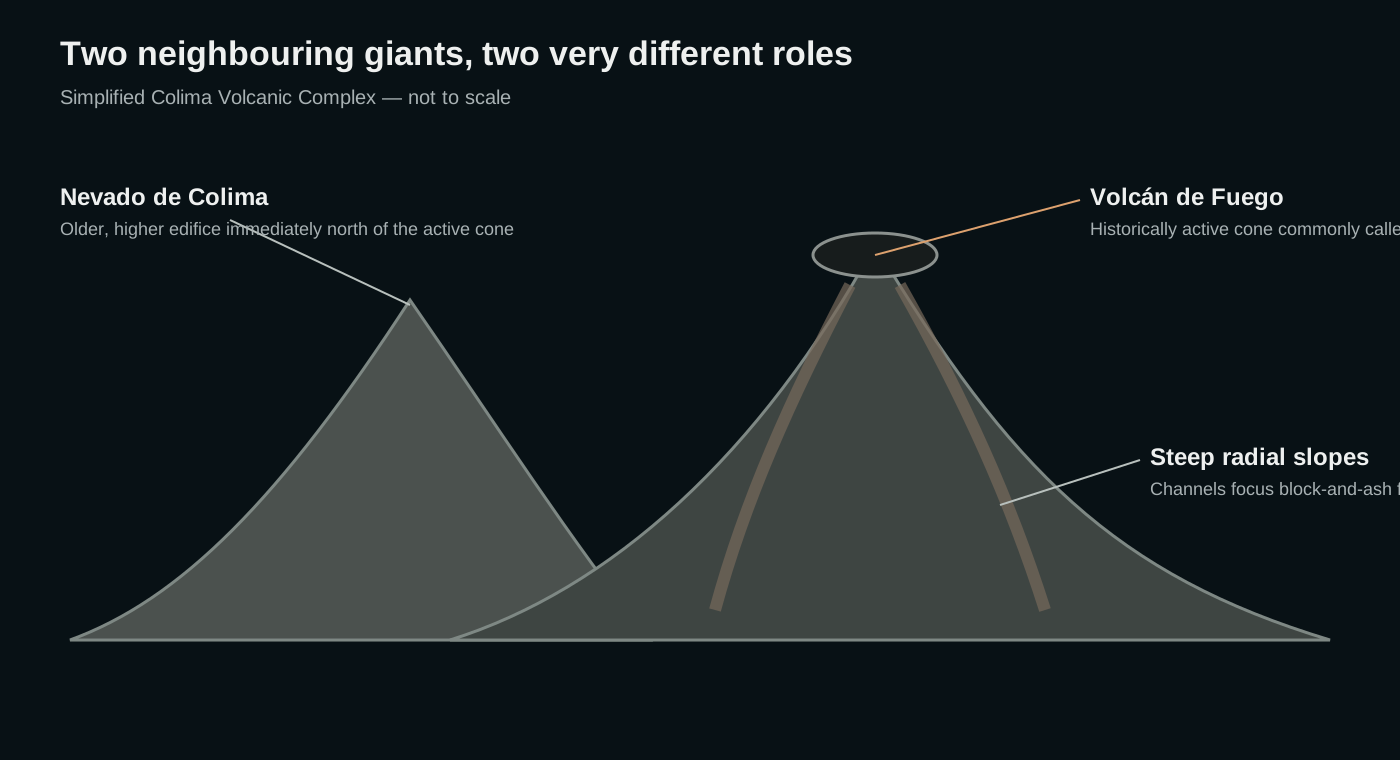
The older Nevado de Colima stands immediately north of the younger active cone. Its broad, eroded form contrasts with the steep profile of Volcán de Fuego.
This neighbouring pair records the migration and rebuilding of volcanism through time. The name “Colima” can therefore be confusing: the historically active volcano is Volcán de Fuego, while Nevado de Colima is the older edifice beside it.
Nevado de ColimaOlder and more eroded northern edifice.
Volcán de FuegoYounger historically active cone.
Steep valleysRadial drainage controls many downslope hazards.
Repeated rebuildingEruptions construct and destroy material around the summit.
How Colima works
The summit can repeatedly build itself up and tear itself apart
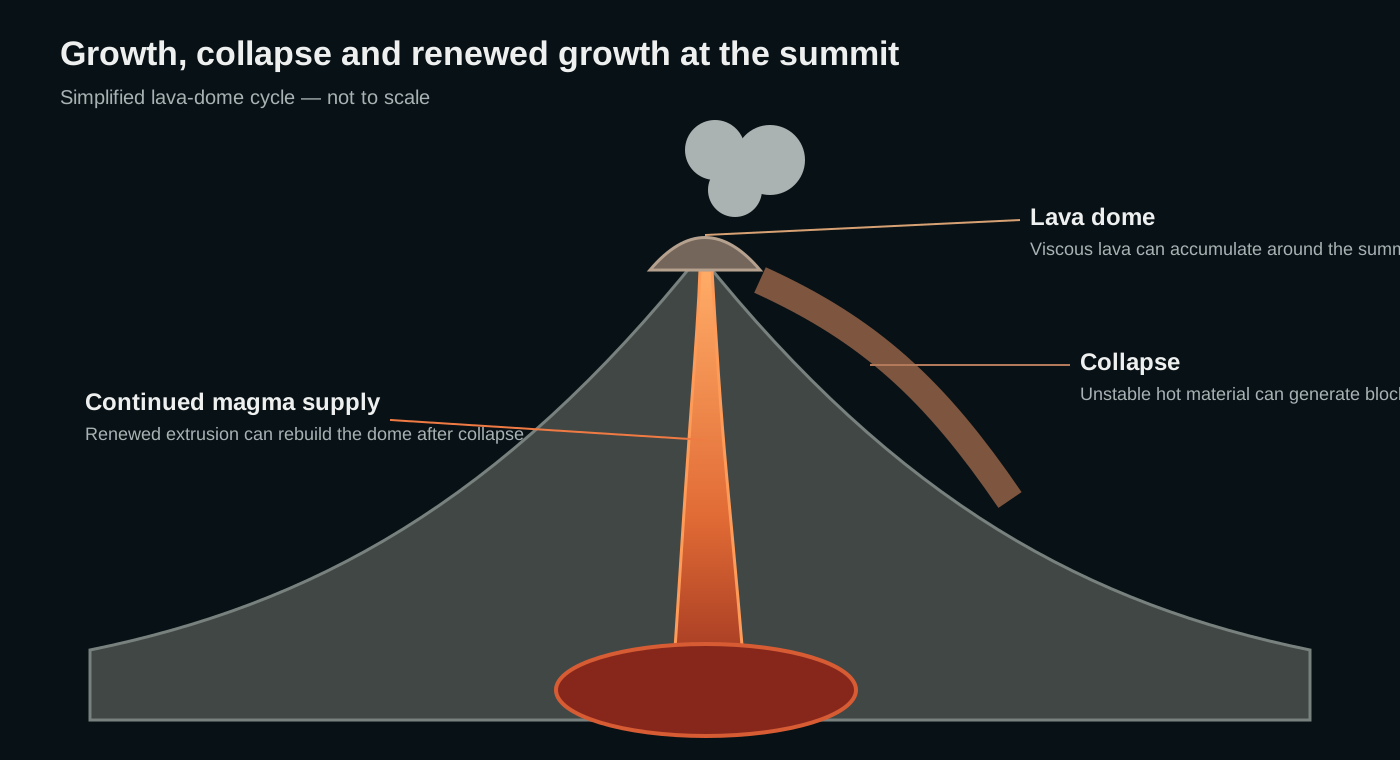
When relatively viscous magma reaches the surface it may extrude slowly, building a dome or thick lava lobe. Continued magma supply can push this material outward until parts of it become unstable.
Collapse exposes hot interior lava and produces avalanches of blocks and ash. Mixing and fragmentation can transform these into fast pyroclastic density currents, while renewed extrusion begins the cycle again.
Monitoring
Watching a summit that can change shape during an eruption
Colima requires monitoring that can follow both processes inside the volcano and physical changes at the summit. Seismicity is interpreted alongside visual observations, deformation, gas measurements and remote sensing.
A volcano through time
Volcán de Colima eruption timeline
16th century
Historical eruptions enter the written record
Accounts establish a centuries-long record of repeated explosive and effusive activity at Volcán de Fuego.
Major eruption1818
Powerful explosive eruption
A major 19th-century event produced widespread ash and represents one of Colima’s important historical eruptions.
Major eruption1913
Large explosive eruption reshapes the summit
A powerful eruption generated substantial ashfall and pyroclastic activity and left major changes around the summit crater.
1961–62
Renewed lava extrusion
Effusive activity marked the return of lava growth following decades of relative quiet.
1998–2011
Repeated dome growth and explosive activity
Long-lived episodes of extrusion, explosions and dome collapse demonstrated the characteristic modern behaviour of the volcano.
Intense activity2015
Major dome collapse and pyroclastic flows
Large collapses generated powerful pyroclastic density currents down the flanks and prompted evacuations around the volcano.
2016–17
Explosions, lava extrusion and renewed pyroclastic activity
Another active phase produced frequent ash plumes, incandescent material and episodes of pyroclastic flow generation.
Hazards
The hazards that matter most at Colima
Hot blocks, ash and gas can descend valleys at high speed.
Explosions can throw blocks and bombs around the summit and upper flanks.
Ash can affect communities, agriculture, roads and aviation downwind.
Extruded lava can move down the upper cone and feed unstable lobes.
Rain can remobilise volcanic deposits into destructive valley-confined flows.
Large structural failures are part of the complex’s longer-term geological history.
Myths versus reality
Colima is not simply an exploding cone
Gravitational collapse of a growing lava dome can generate destructive pyroclastic currents without a huge vertical eruption column.
The historically active younger cone is Volcán de Fuego, immediately south of the older Nevado edifice.
Their growth may be slow, but collapse can suddenly accelerate hot material down steep valleys.
Volcoholics insight
At Colima, destruction can be part of the volcano’s growth
Volcán de Fuego repeatedly builds lava around its summit only to lose parts of it again through collapse and explosion. That cycle is what makes Colima so compelling — construction and destruction are not opposing phases here, but two parts of the same eruptive process.
Questions answered
Volcán de Colima explained
Is Volcán de Colima the same as Volcán de Fuego?
Yes. The historically active cone commonly called Volcán de Colima is also known as Volcán de Fuego.
Is Nevado de Colima the same volcano?
Nevado de Colima is the older neighbouring edifice within the wider Colima Volcanic Complex.
Why are lava domes dangerous at Colima?
Viscous lava can accumulate into unstable summit domes and lobes. Their collapse can generate hot block-and-ash flows and pyroclastic density currents.
What happened at Colima in 2015?
Major lava-dome collapses generated powerful pyroclastic density currents down the volcano’s flanks and led to evacuations.
Where can I find Colima’s latest status?
Use the Volcoholics volcano directory for the latest verified operational summary and follow the responsible Mexican scientific and civil-protection authorities for official information.
Official science, made readable
Built from the science studying Colima
This evergreen profile is structured around long-term Mexican volcanological research and established geological reference material. Permanent geology, eruptive behaviour, hazards and history are deliberately separated from today’s operational status.
Universidad de Colima / RESCOLong-term seismic and volcanological observation of the Colima region and Volcán de Fuego.
Smithsonian Global Volcanism ProgramEruption chronology, morphology and long-term geological reference information for Colima.