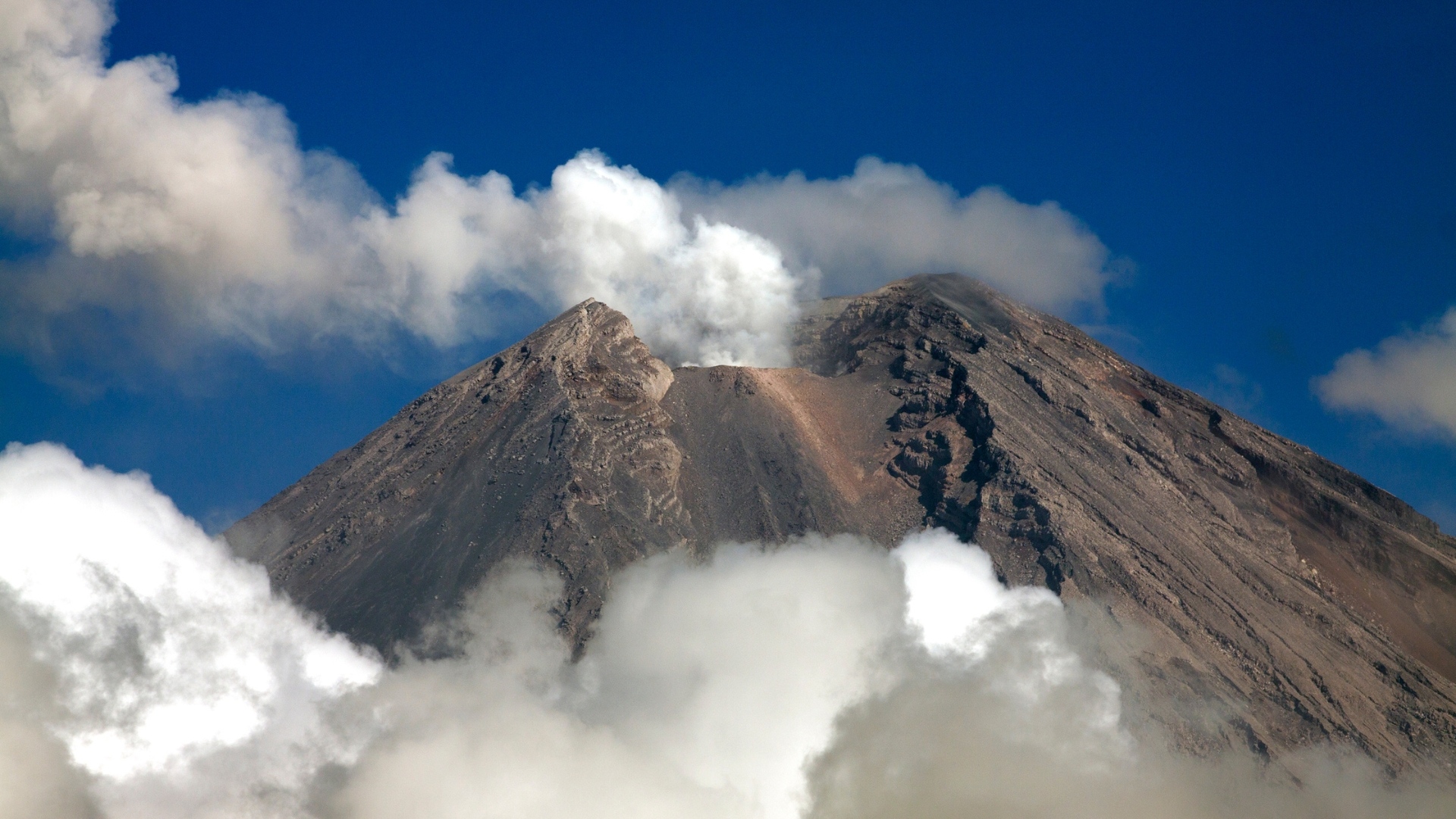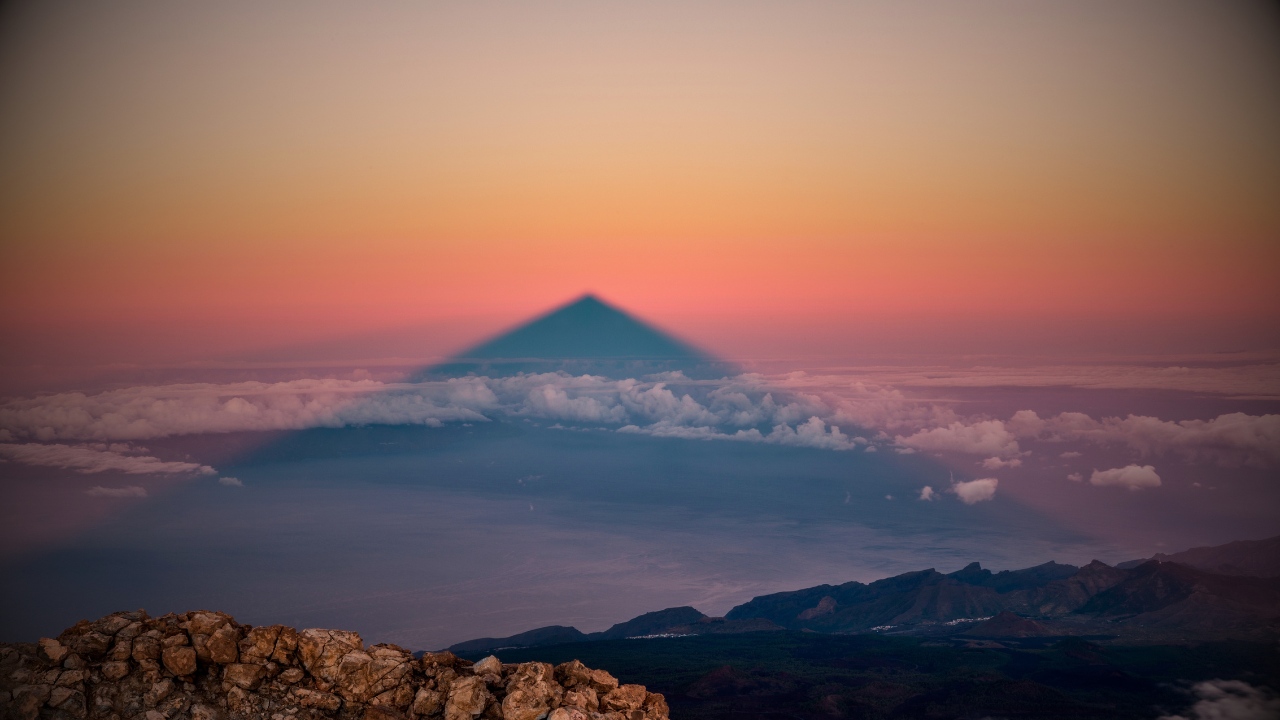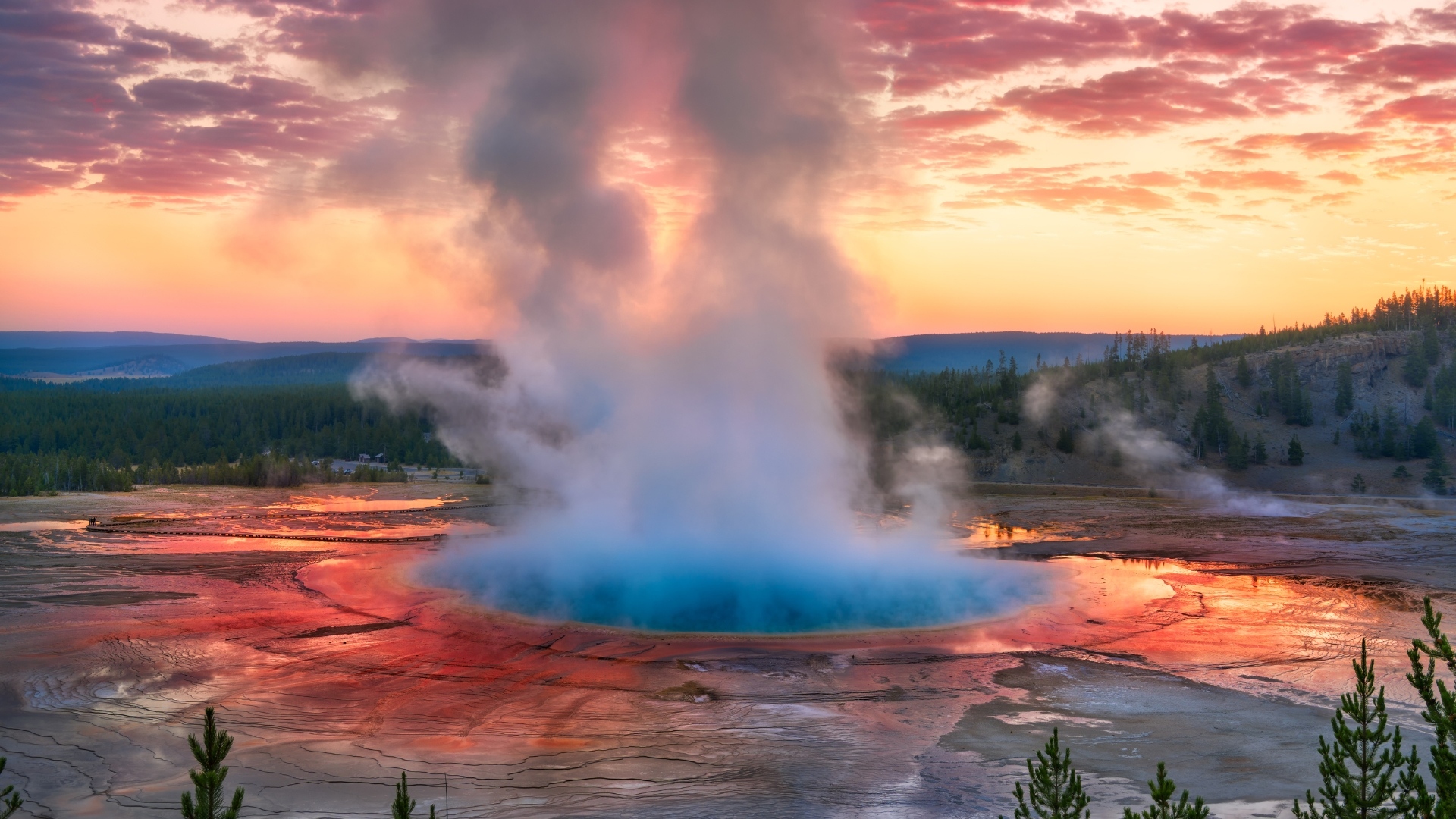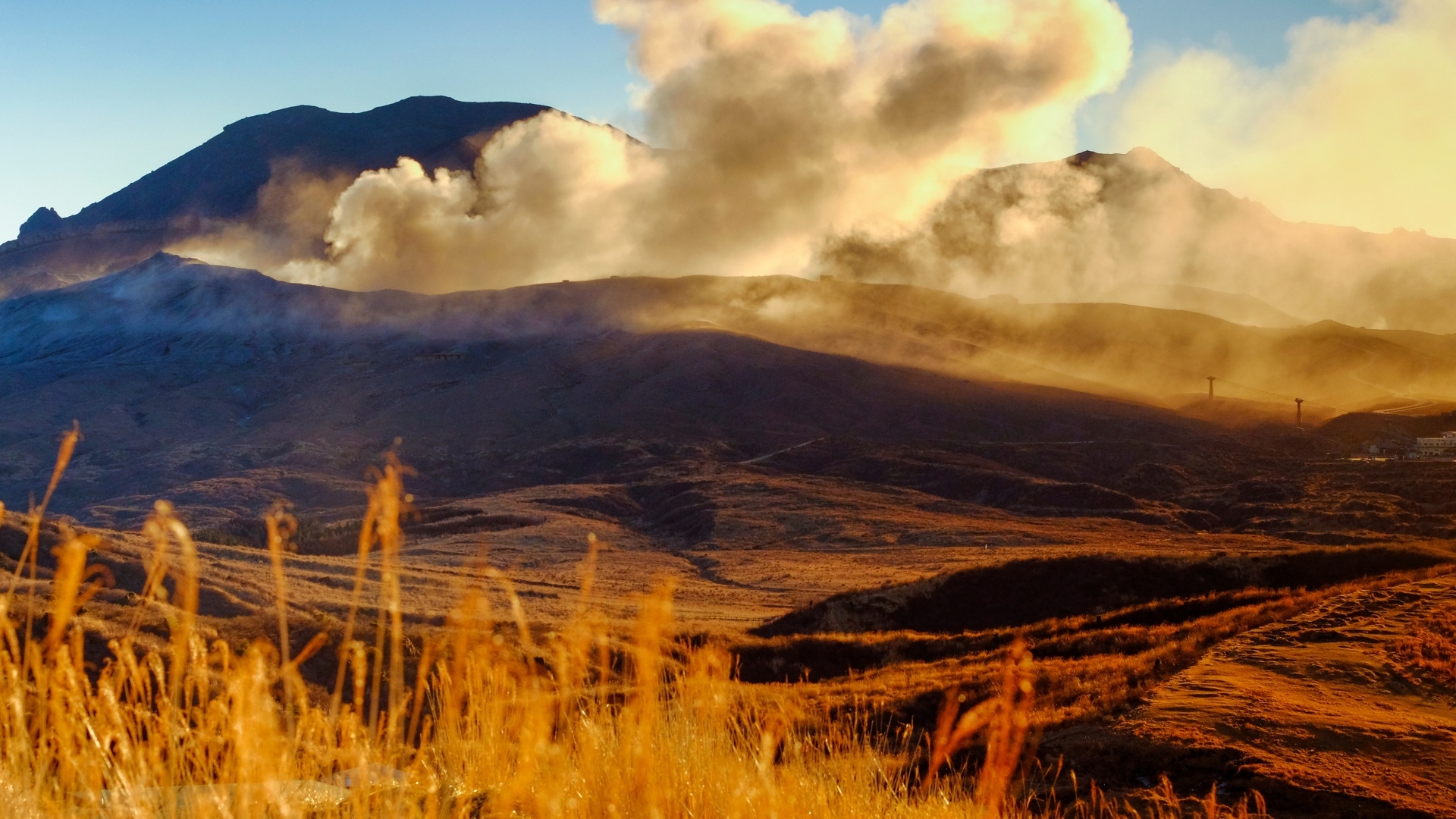
Mount Aso
Caution
Japan
Mount Aso

One of the world's largest active volcanoes, with a caldera measuring approximately 25 km across. Located on Kyushu island, it features multiple peaks and is popular with hikers — though its active nature demands constant monitoring.
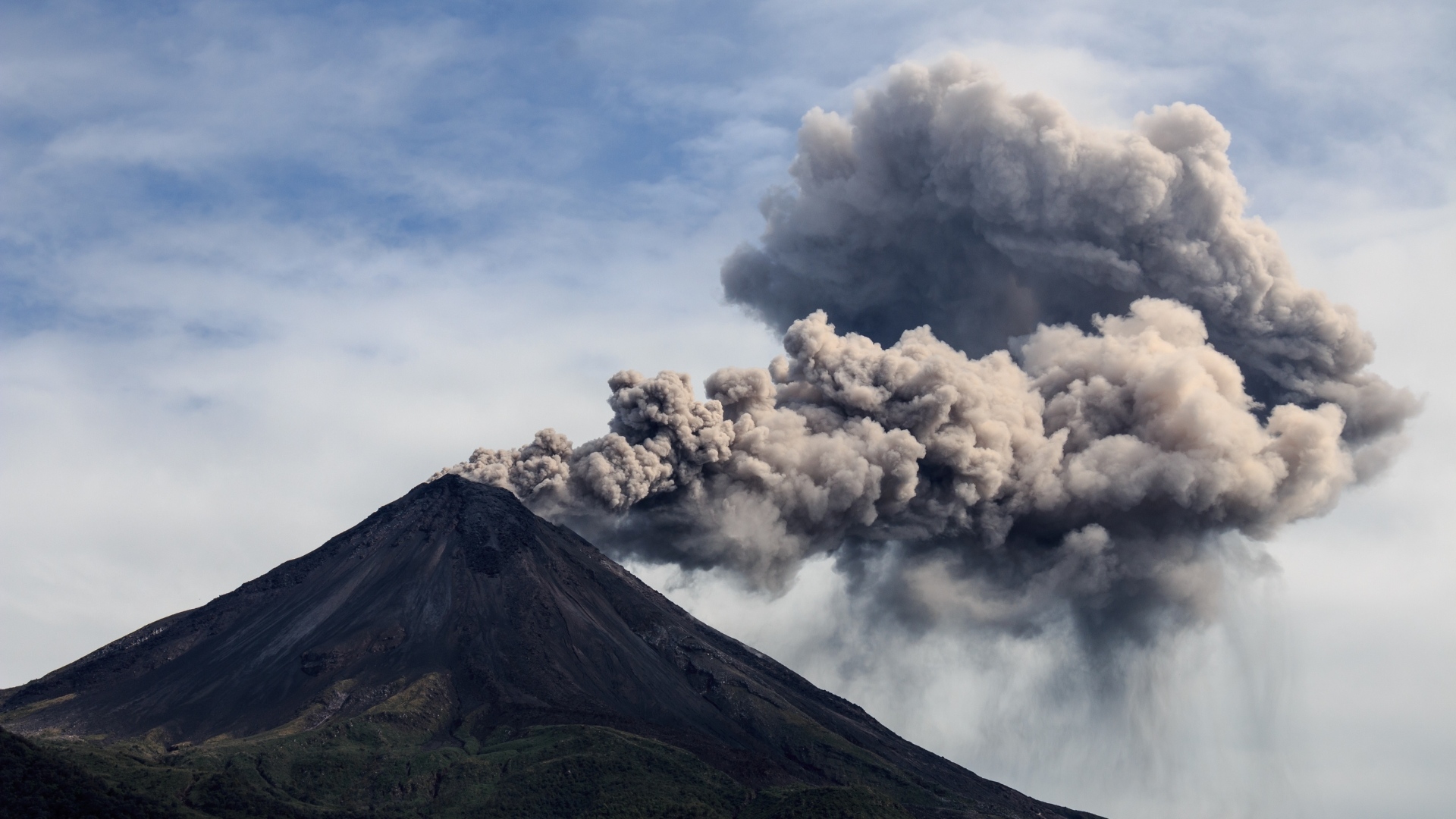
Type
Stratovolcano / Caldera
Elevation
1,592 m / 5,223 ft
Alert Level
1 / 5 — Normal
Location
Kyushu, Japan
Last eruption: October 2021 — Alert Level 1, background seismicity only (JMA, Jun 2026)
Colima
Dormant
Mexico
Colima

One of the most active volcanoes in North America with over 30 periods of eruptions since 1585. The Colima volcanic complex dominates the western Mexican Volcanic Belt and remains closely monitored by scientists.
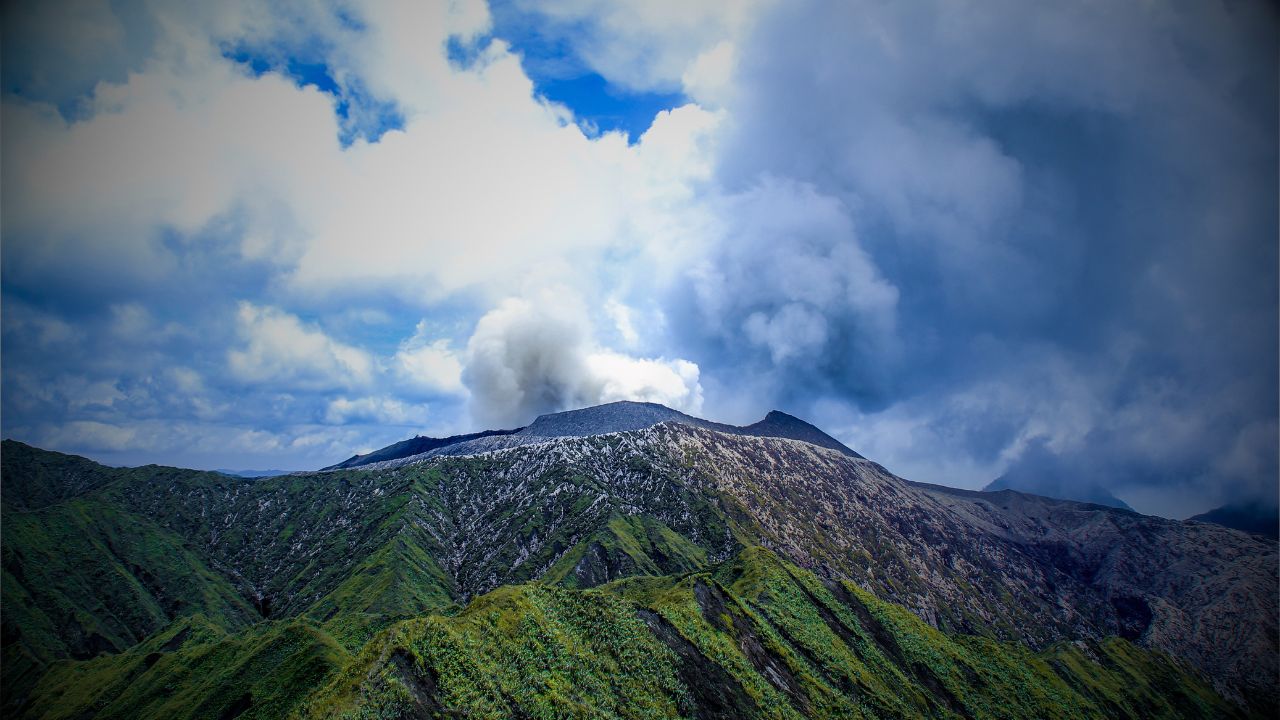
Type
Stratovolcano
Elevation
3,850 m / 12,631 ft
Alert Level
1 / 5 — Normal
Location
19.51°N / 103.62°W
Last eruption: 2017 — currently dormant, low-level monitoring (CENAPRED)
Dukono, Indonesia
Erupting
North Maluku, Indonesia
Dukono

One of Indonesia's most persistently active volcanoes, Dukono on Halmahera Island has been in near-continuous eruption since 1933. Daily ash emissions are the norm, with plumes regularly rising 300–700 m above the summit. Its remote location means it receives little attention relative to its extraordinary longevity of activity.

Elevation
1,087 m
Type
Complex Volcano
Country
Indonesia
Alert
Level 2/4
Near-continuous ash emissions, plumes to 300 m, ongoing eruption since 1933 — Level 2 (Waspada), 4 km exclusion zone (PVMBG/MAGMA, 2026)
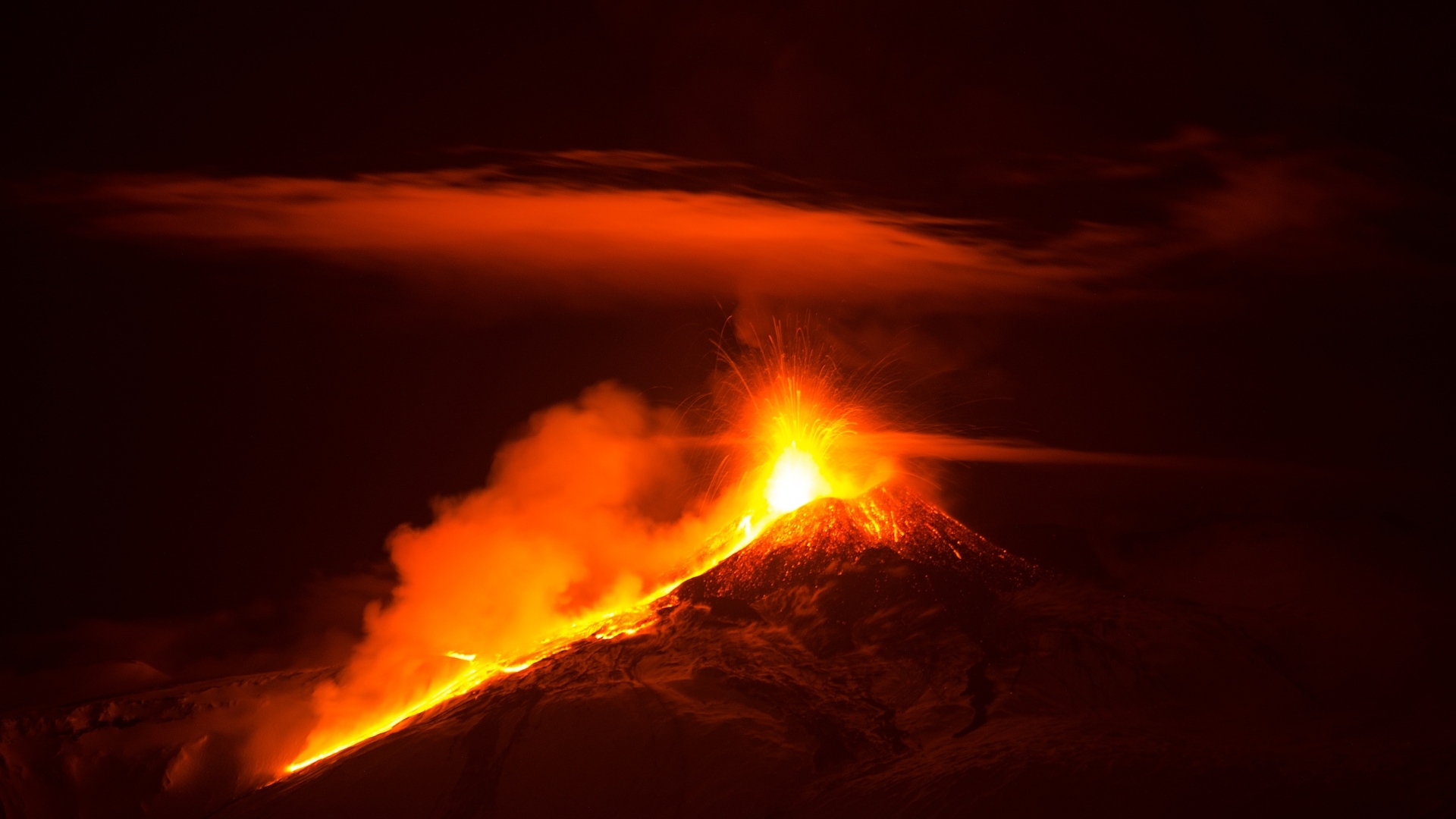
Mount Etna
Caution
Sicily, Italy
Mount Etna

Europe's tallest active volcano with one of the world's longest documented eruption records dating to 1500 BCE. Etna dominates Catania and is characterised by both continuous summit activity and occasional high-rate flank eruptions.
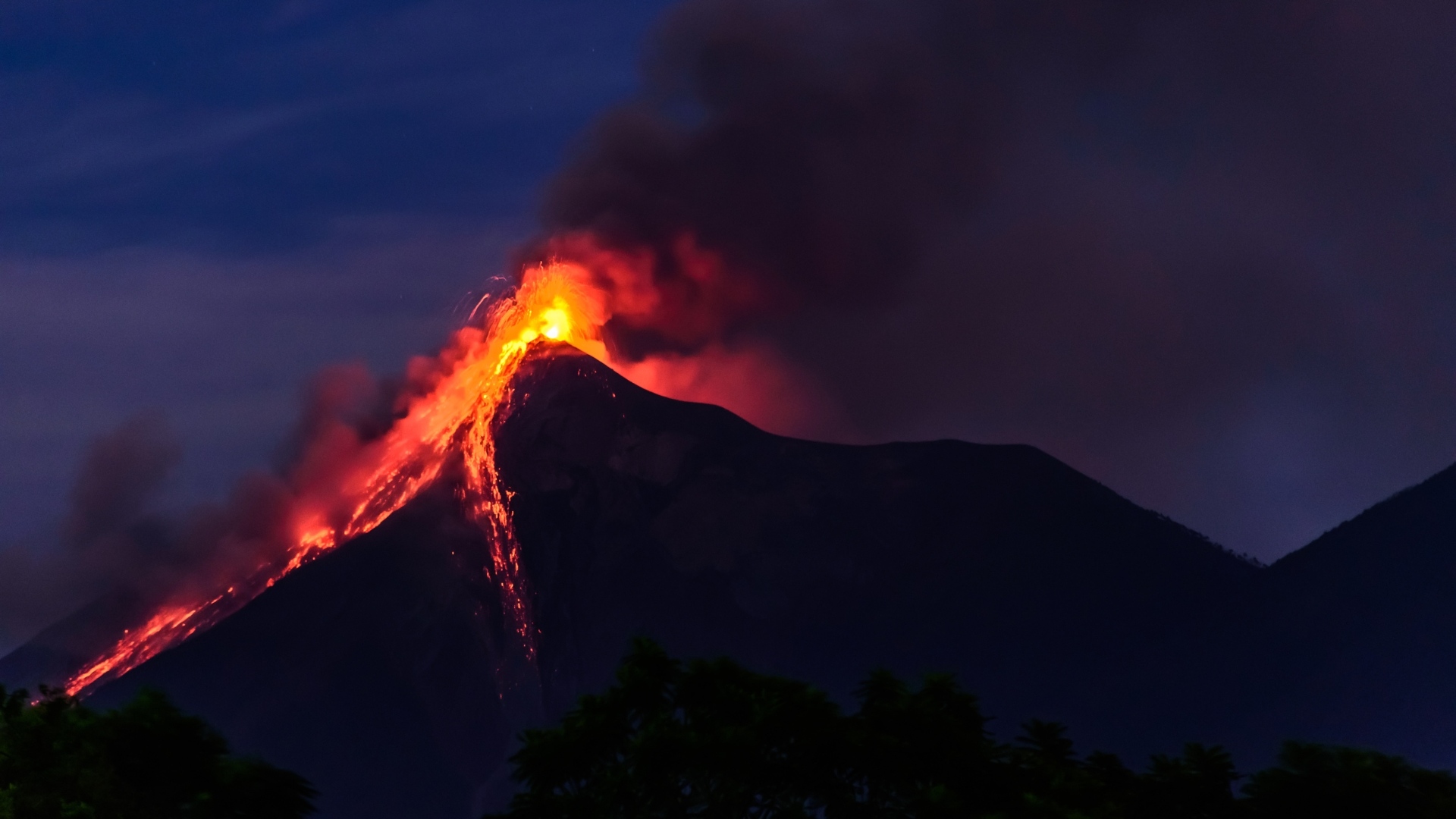
Type
Complex Stratovolcano
Elevation
3,329 m (variable)
Alert Level
3 / 5 — Minor activity (INGV)
Location
37.75°N / 14.99°E
Intense Strombolian activity & audible booming from NE Crater, sporadic dilute reddish ash from BN1 — minor activity (INGV monthly bulletin, 3 Jun 2026)
Fuego
Erupting
Guatemala
Fuego

One of Central America's most active volcanoes, looming over Guatemala's former capital Antigua. Fuego is feared for its vigorous eruptions producing major ashfalls, pyroclastic flows and lava flows recorded continuously since 1524.
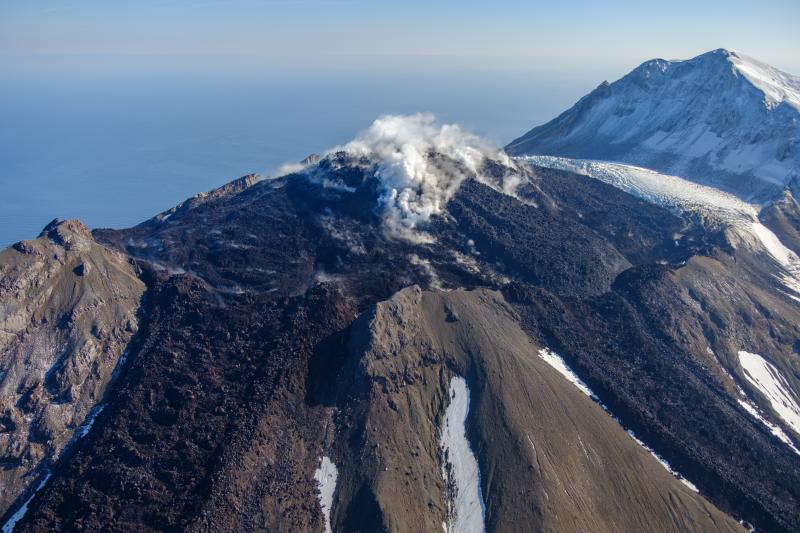
Type
Stratovolcano
Elevation
3,763 m / 12,346 ft
Alert Level
Level 2 / 4 — Alert (INSIVUMEH)
Location
14.47°N / 90.88°W
6–10 Strombolian explosions/hr, ash to 4,500 m, incandescent rockfalls & lava avalanches on flanks (INSIVUMEH, Jun 2026)
Great Sitkin Volcano, Alaska
Caution
Alaska, USA
Great Sitkin

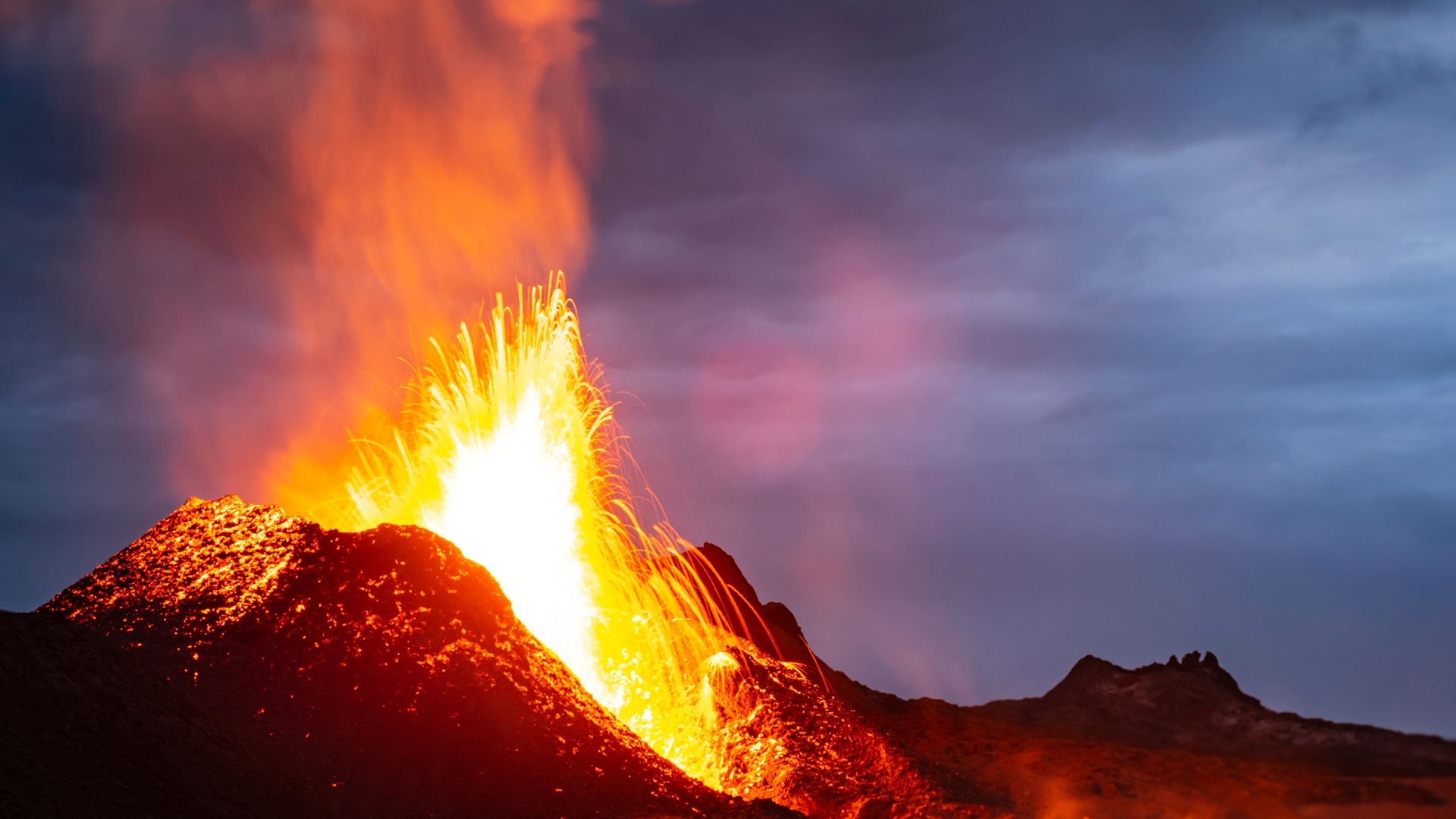
A stratovolcano in the central Aleutian Islands that has been erupting continuously since July 2021 — one of the longest ongoing eruptions in recent Alaskan history. Lava has filled most of the summit crater and advanced into surrounding valleys, with no explosive activity since May 2021.
Type
Stratovolcano
Elevation
1,740 m / 5,709 ft
Alert Level
Advisory / Aviation Yellow (USGS AVO)
Location
52.08°N / 176.11°W
Slow lava effusion continuing, no explosions since May 2021 — Advisory/Yellow, crater nearly full (USGS AVO, 12 Jun 2026)
Iceland
Erupting
Iceland
Iceland

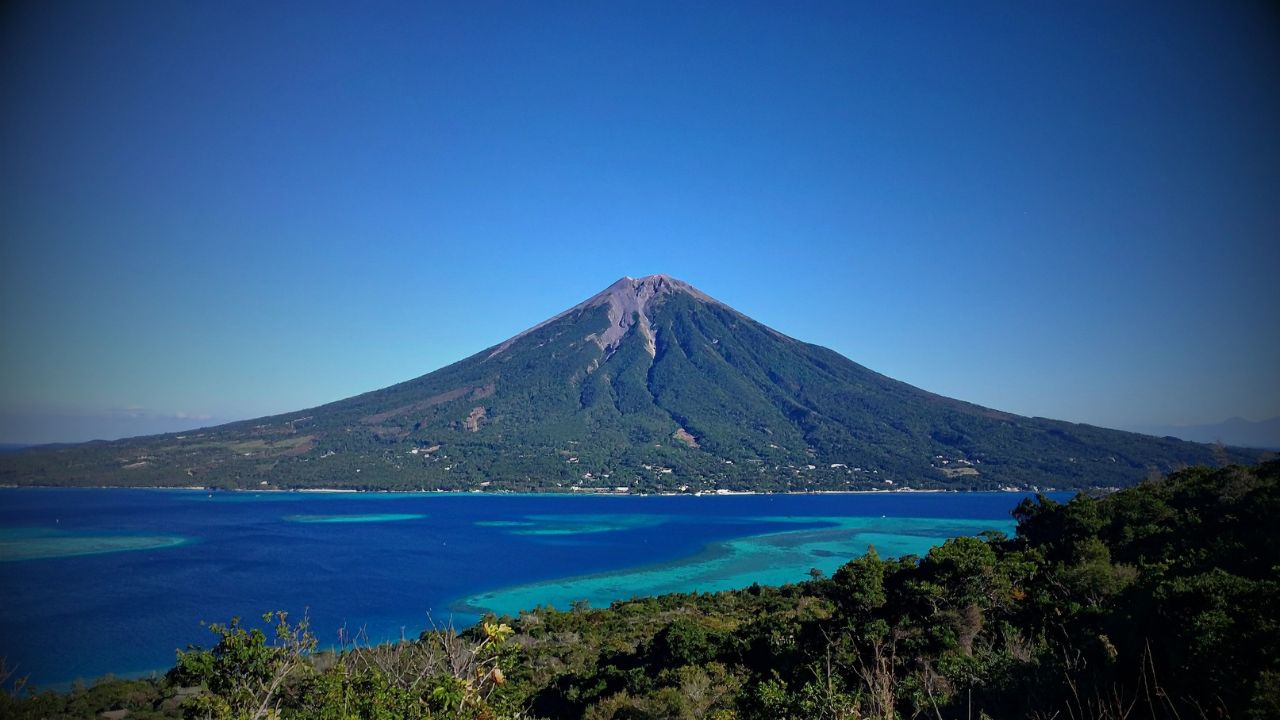
The Krýsuvík–Trölladyngja volcanic system on the Reykjanes Peninsula has been the site of repeated eruptions in recent years. Activity has reshaped the landscape around Grindavík and Svartsengi, with the most recent eruption concluding in August 2025.
System
Fissure Swarm
Location
Reykjanes Peninsula
Last Eruption
July 16 – Aug 5, 2025
Monitoring
IMO / Veðurstofa
Last eruption: July 16 – August 5, 2025 — seismic monitoring ongoing (IMO)
Ibu volcano, Indonesia
Erupting
North Maluku, Indonesia
Ibu

A stratovolcano on Halmahera Island that has been in near-continuous eruption since 2008. In 2026 it has been extraordinarily active, recording over 641 individual eruptions by May — nearly 4 per day. Ash plumes routinely reach 300–1,000 m above the summit. A major paroxysmal eruption in January 2025 sent ash to 4 km and raised the alert to its highest level.

Elevation
1,325 m
Type
Stratovolcano
Country
Indonesia
Alert
Level 2/4
641+ eruptions by May 2026 (~4/day), ash to 300–1,000 m — Level 2 (Siaga), 2 km exclusion & 3.5 km N sector (PVMBG/MAGMA, May 2026)
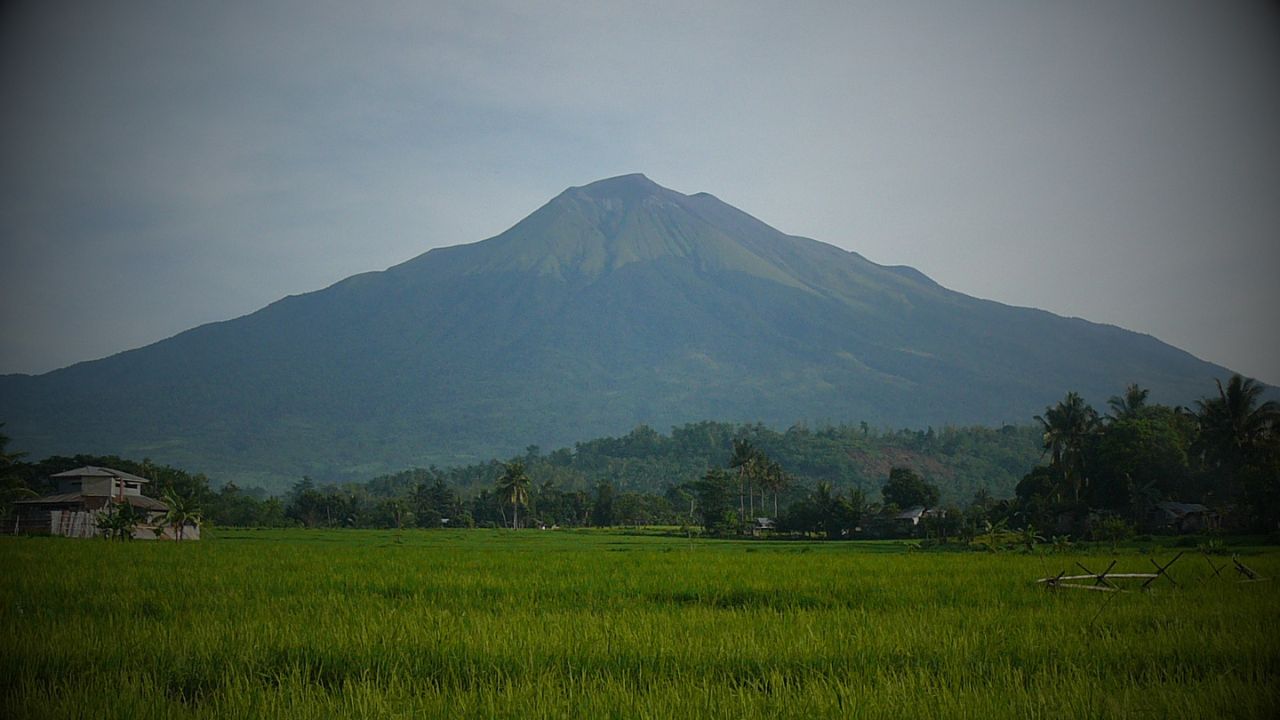
Kanlaon Volcano, Philippines
Caution
Philippines
Kanlaon

The most active volcano on Negros Island, rising 2,465 m in the central Philippines. Since June 2024 Kanlaon has produced a series of moderately explosive eruptions driven by repeated pressurisation of a deep magma source, generating PDCs, ash plumes to 4–5 km, and ballistic projectiles. A repeating eruption pattern has been established, with eruptions occurring every few weeks to months.

Elevation
2,465 m
Type
Stratovolcano
Country
Philippines
Alert
Level 2/5
7 eruptions in 2026, SO₂ at 2,382 t/day, ash plumes to 5 km — Alert Level 2/5, 6 km PDZ enforced (PHIVOLCS, Jun 2026)
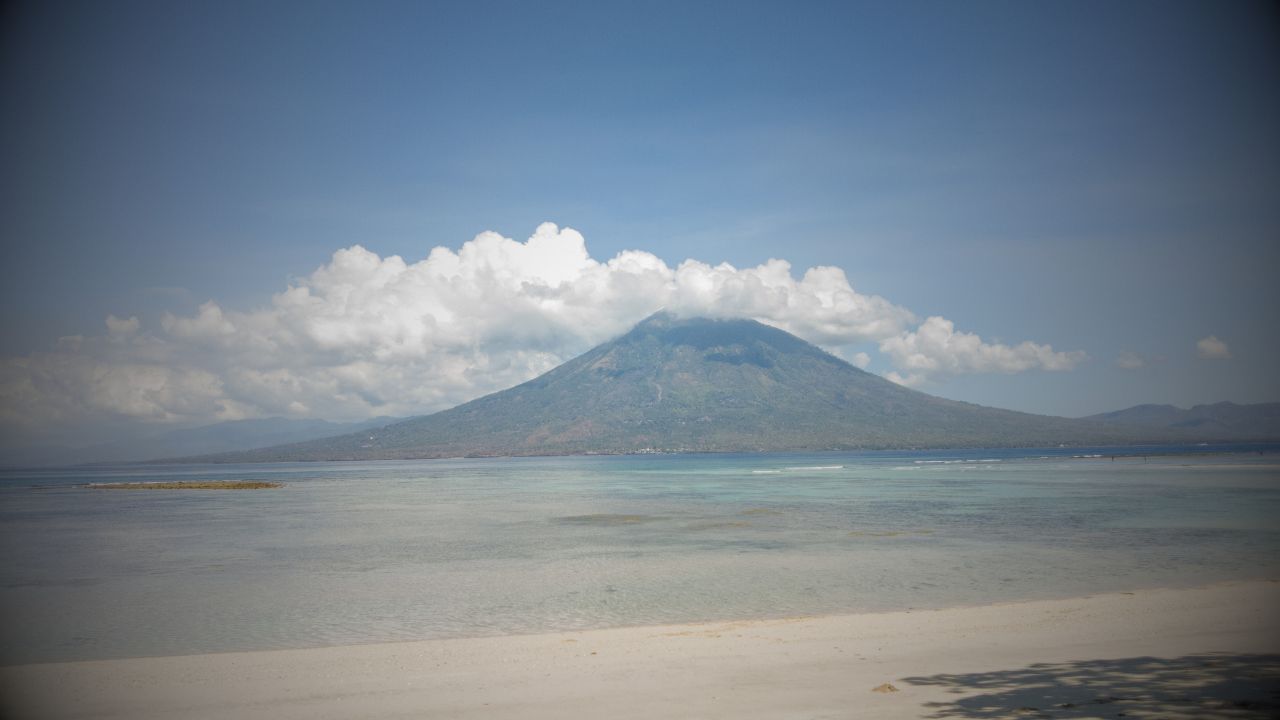
Lewotolok, Indonesia
Erupting
East Nusa Tenggara, Indonesia
Lewotolok

A symmetrical stratovolcano on Lembata Island in East Nusa Tenggara, with eruptions recorded since 1660. The current eruptive episode has been ongoing since 2020 with fluctuating intensity. In early 2026 the alert was briefly raised to Level 3 before being downgraded to Level 2 in February as activity moderated to daily white-to-gray plumes and seismically detected explosions.

Elevation
1,423 m
Type
Stratovolcano
Country
Indonesia
Alert
Level 2/4
Ongoing eruption, daily white plumes to 200 m, 25–30 seismic explosions/day — Level 2 (Waspada), 2 km exclusion (PVMBG/MAGMA, May 2026)
Kīlauea, Hawaii
Erupting
Hawaii, USA
Kīlauea

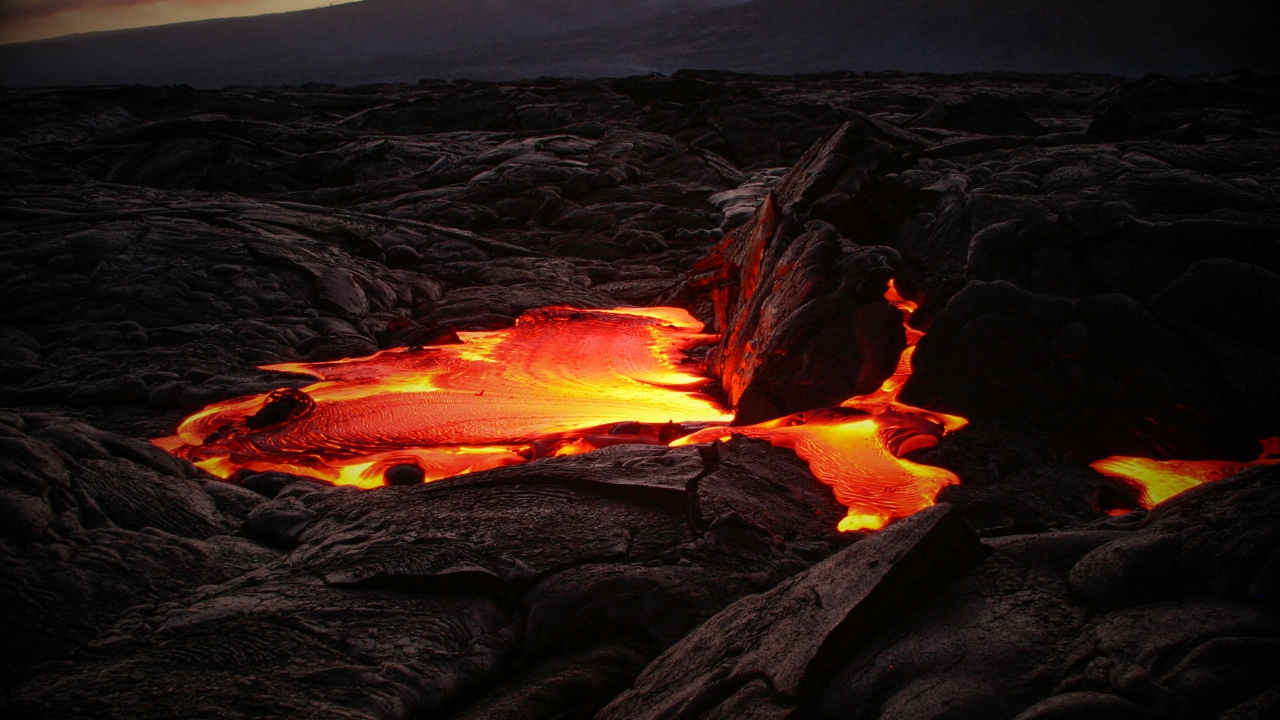
One of the world's most active volcanoes, Kīlauea has been erupting episodically from two vents in Halemaʻumaʻu crater since December 23, 2024. By June 2026 the eruption has produced 48 distinct episodes, with lava fountains regularly exceeding 600–900 ft and covering much of the crater floor with fresh lava.

Type
Shield Volcano
Elevation
1,247 m / 4,091 ft
Alert Level
Watch / Aviation Orange (USGS HVO)
Location
19.42°N / 155.29°W
Episode 49 fired & ended 14 Jun (7.5 hrs, 200 m fountains, north vent) — eruption paused, Advisory/Yellow (USGS HVO, 15 Jun 2026)
Mayon, Philippines
Erupting
Philippines
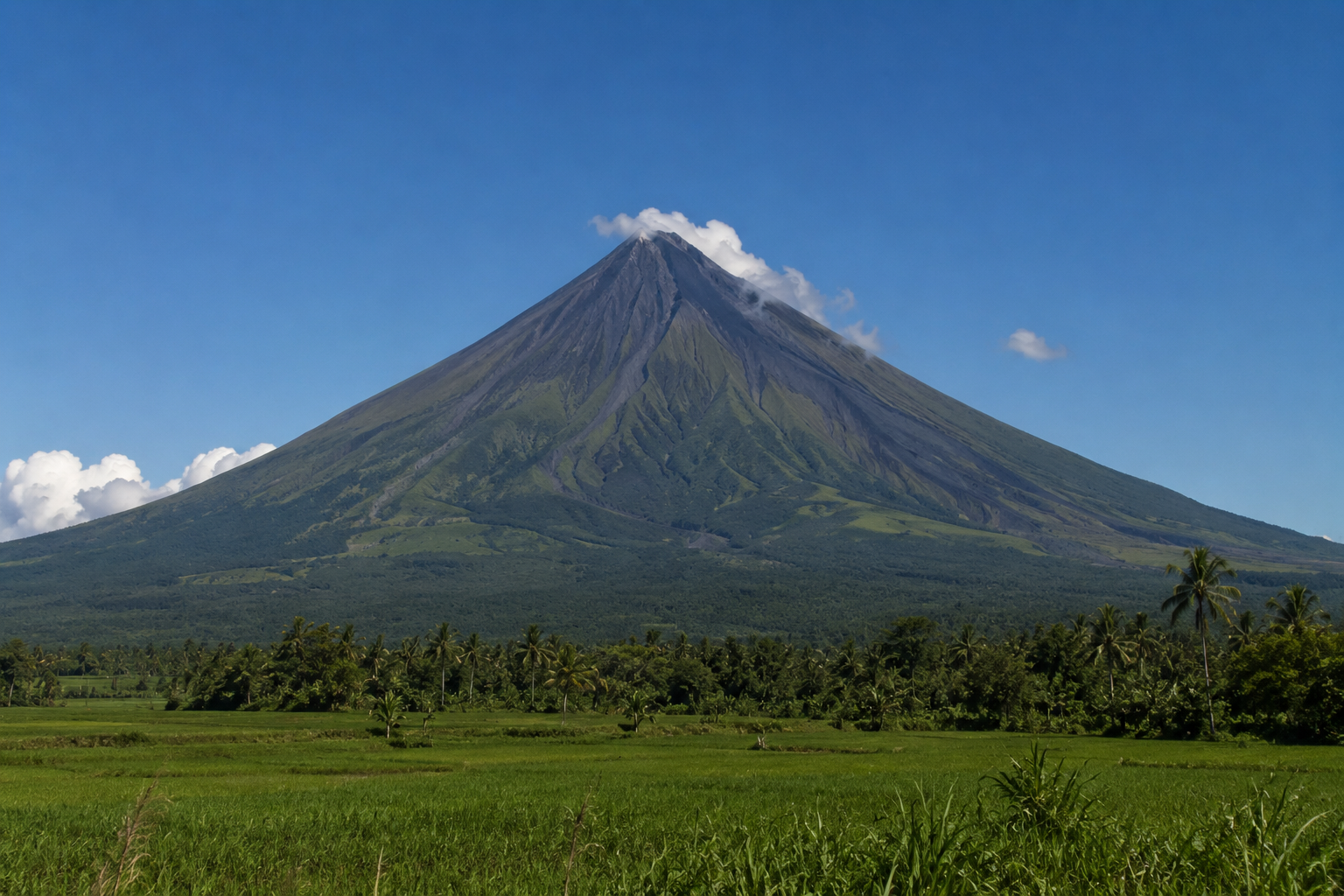
Mayon

One of the world’s most active and perfectly symmetrical stratovolcanoes, Mayon has erupted over 50 times since 1616. Its 2,462 m cone dominates Albay Province in Luzon. The 6 km Permanent Danger Zone is continuously enforced due to frequent lava flows, pyroclastic density currents, and ashfall threatening surrounding communities.

Elevation
2,462 m
Type
Stratovolcano
Country
Philippines
Alert
Level 3/5
160+ days effusive eruption — lava flows to 3.8 km (Basud), 3.2 km (Bonga), 1.6 km (Mi-isi), ongoing PDCs — Level 3/5, 6 km PDZ (PHIVOLCS, Jun 2026)
Merapi
Erupting
Indonesia
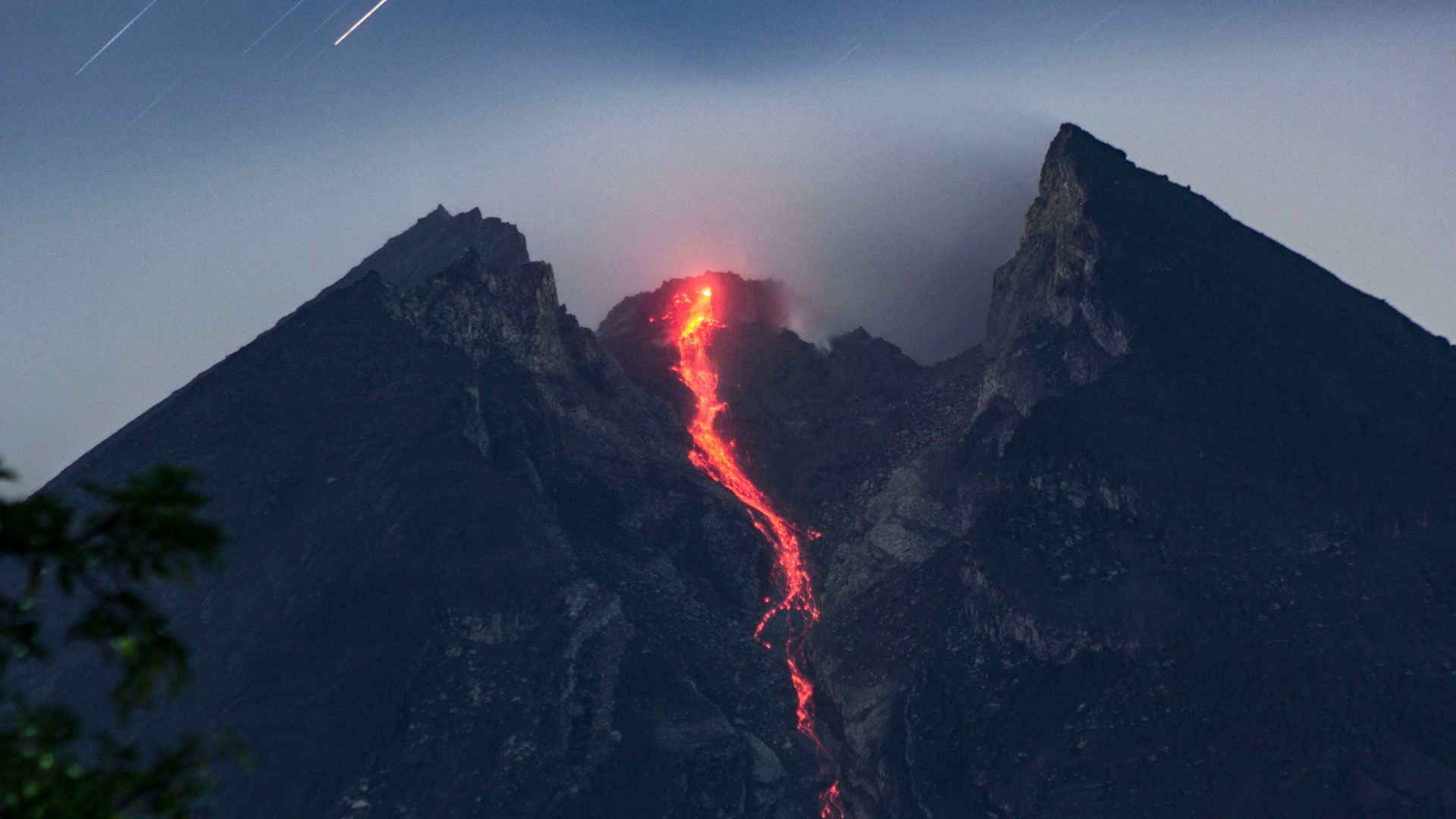
Merapi

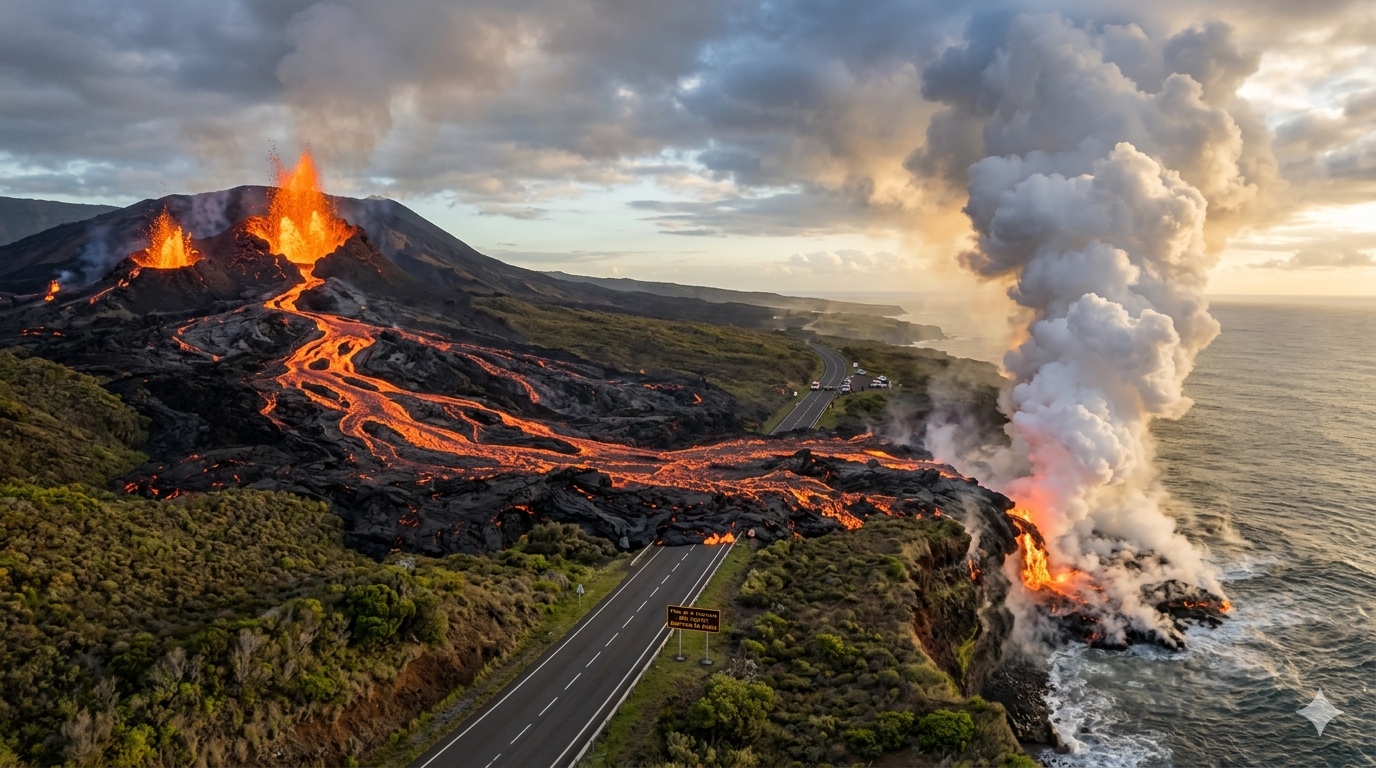
Indonesia's most active volcano and one of the most dangerous — feared for its deadly pyroclastic flows generated when lava domes collapse. Erupts on average every 5–10 years and is under constant scientific surveillance. Name means "the one making fire."
Type
Stratovolcano / Lava Dome
Elevation
2,910 m / 9,547 ft
Alert Level
Level III / 4 — Siaga (PVMBG)
Location
Java, Indonesia
Lava dome active on SW flank, lava avalanches & white summit plumes to 100 m — Level III (Siaga), stay 3–7 km (PVMBG/BPPTKG, Jun 2026)
Piton de la Fournaise, Réunion
Dormant
La Réunion, France
Piton de la Fournaise

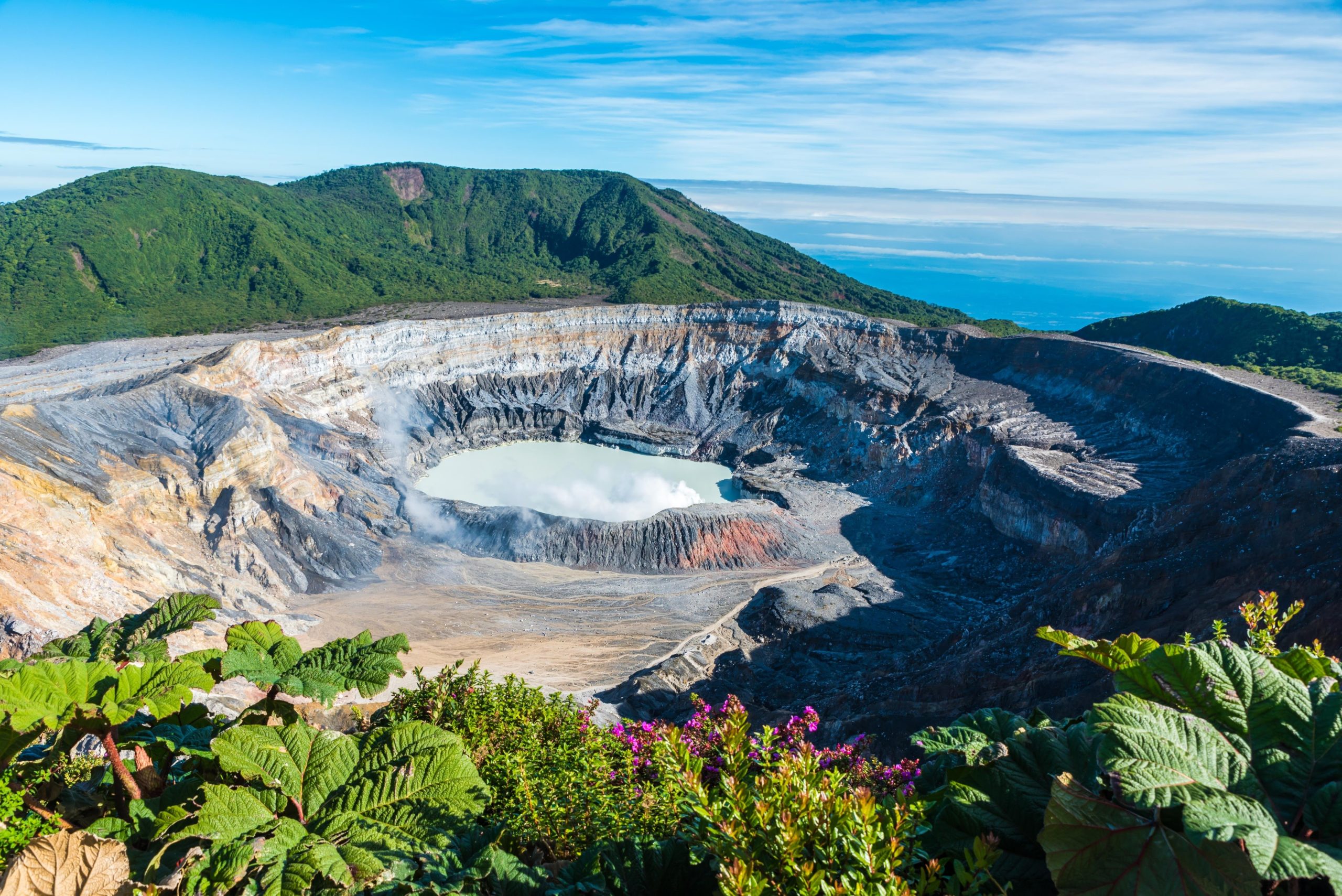
One of the world's most active volcanoes, Piton de la Fournaise completed a major eruptive episode that ran from 13 February to 12 April 2026, sending lava flows down the SE flank of Dolomieu Crater to the ocean and extending Réunion's coastline by up to 840 m. The volcano is currently at rest.
Type
Shield Volcano
Elevation
2,632 m / 8,632 ft
Alert Level
Alert 2-2 / 4 (OVPF-IPGP)
Location
21.24°S / 55.71°E
Eruption (Feb–Apr 2026) ended 12 Apr — SO₂ & CO₂ remain at background levels, volcano at rest (OVPF-IPGP, Jun 2026)
Poás
Erupting
Costa Rica
Poás

Costa Rica's "smoking mountain" hosts one of the world's most acidic crater lakes — a striking turquoise pool whose pH rivals battery acid. Frequent phreatic eruptions driven by superheated groundwater keep scientists and visitors on constant alert.
Type
Stratovolcano
Elevation
2,708 m / 8,885 ft
Status
Active
Location
10.19°N / 84.23°W
Ongoing phreatic eruptions, active acid lake — Warning level, 1 km exclusion zone (OVSICORI-UNA, May 2026)
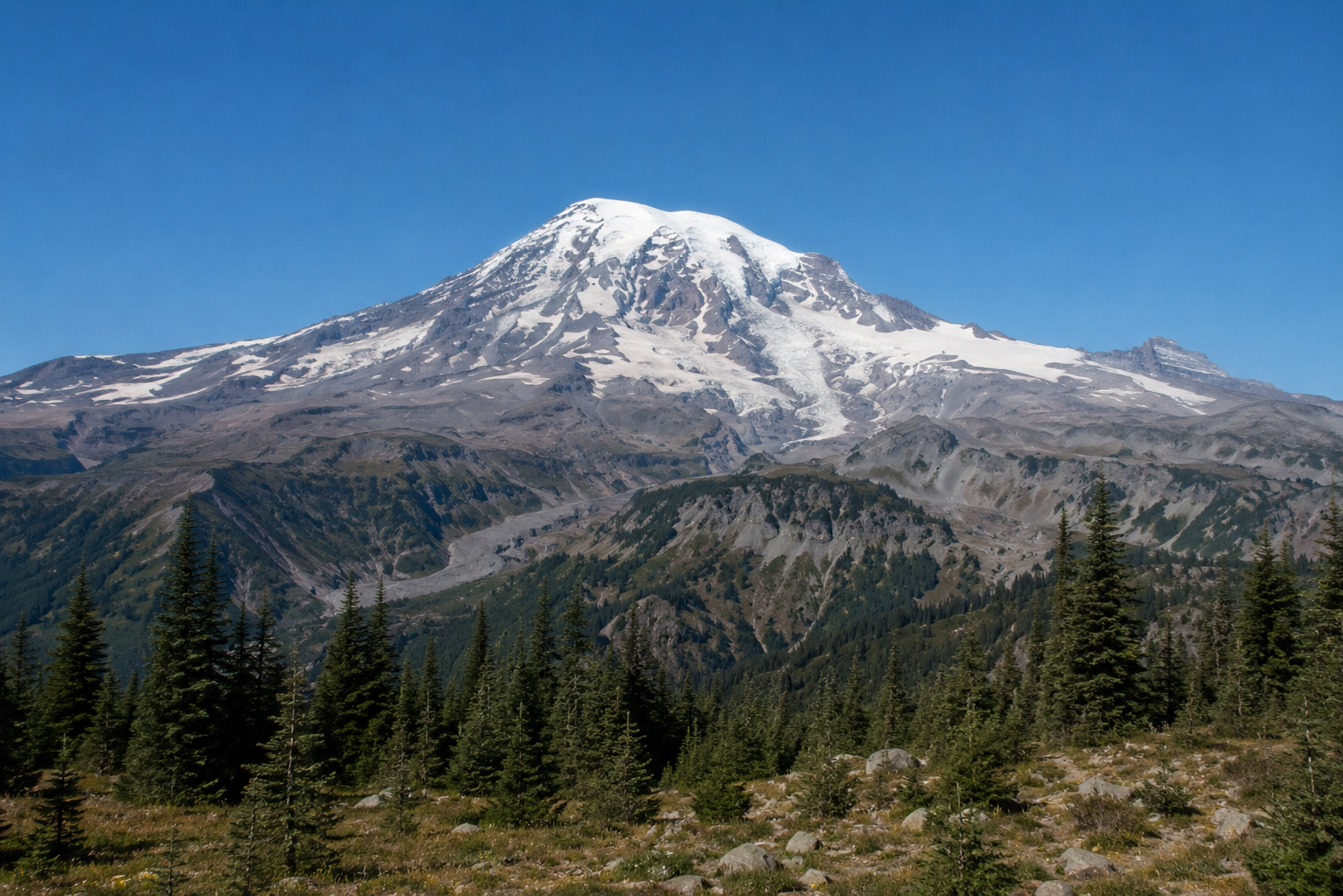
Mount Rainier, USA
Dormant
Washington, USA
Mount Rainier

The highest peak in the Cascade Range at 4,392 m and ranked the 3rd highest volcanic threat in the USA, Mount Rainier poses a significant lahar risk to the Puget Sound region due to its extensive glacial ice cap. Despite no eruption since around 1894, it is extensively monitored due to the potential catastrophic impact of a future eruption on surrounding populated areas.

Elevation
4,392 m
Type
Stratovolcano
Country
USA
Alert
Normal / Green
Last eruption: ~1894 — background seismicity only, Normal/Green, USGS Threat Rank #3 (USGS CVO, May 2026)
Popocatépetl
Erupting
Mexico
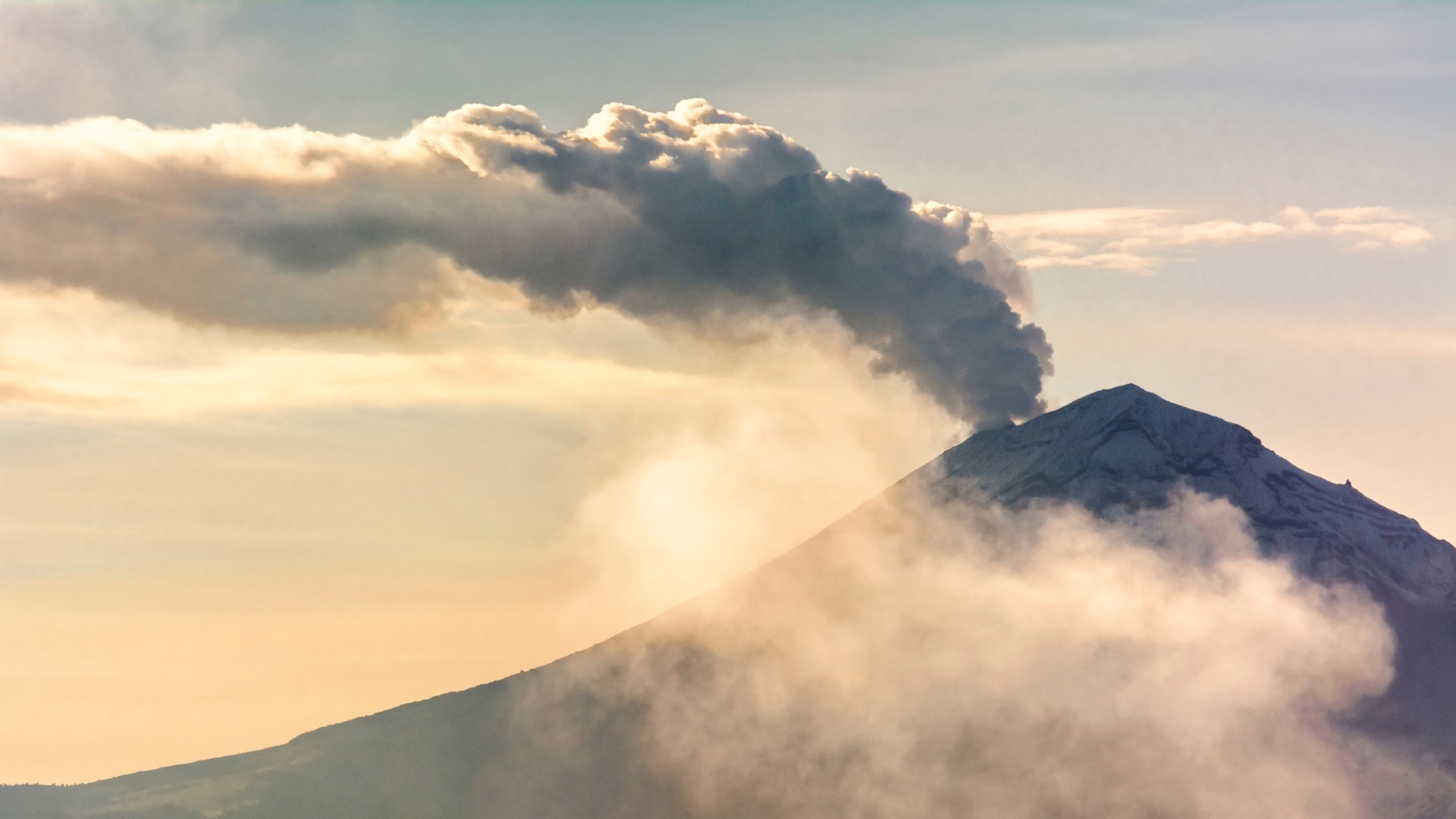
Popocatépetl

North America's second highest volcano, rising 70 km southeast of Mexico City. Its Aztec name means "smoking mountain" — an apt description for a glacier-clad giant with a history of major Plinian eruptions stretching back to pre-Columbian times.
Type
Stratovolcano
Elevation
5,393 m / 17,694 ft
Alert Level
Erupting
Location
19.023°N / 98.622°W
5 exhalations with gas, vapour & small amounts of ash in last 24 hrs — Yellow Alert Phase 2/7, 12 km exclusion zone (CENAPRED, 15 Jun 2026)
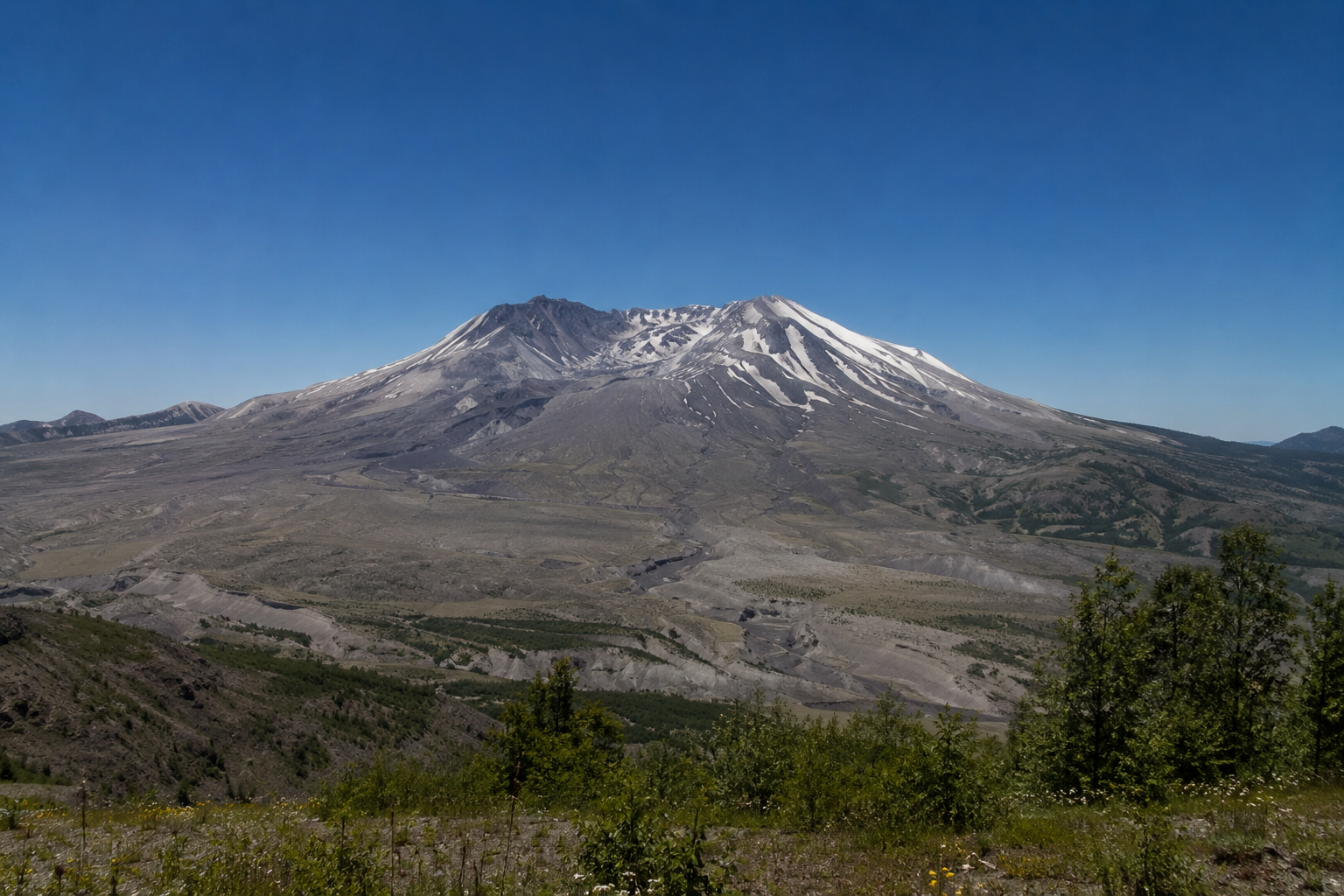
Mount St. Helens, USA
Caution
Washington, USA
Mount St. Helens

The most active volcano in the Cascade Range and the most likely to erupt again in our lifetimes according to USGS. The catastrophic 1980 eruption killed 57 people and flattened 600 km² of forest. Dome-building eruptions followed from 2004–2008. It remains closely monitored with small earthquakes detected weekly as part of normal background activity.

Elevation
2,549 m
Type
Stratovolcano
Country
USA
Alert
Normal / Green
Last eruption: 2008 (dome-building) — background seismicity, Normal/Green, most likely Cascade volcano to erupt (USGS CVO, May 2026)
Ruapehu
Caution
New Zealand
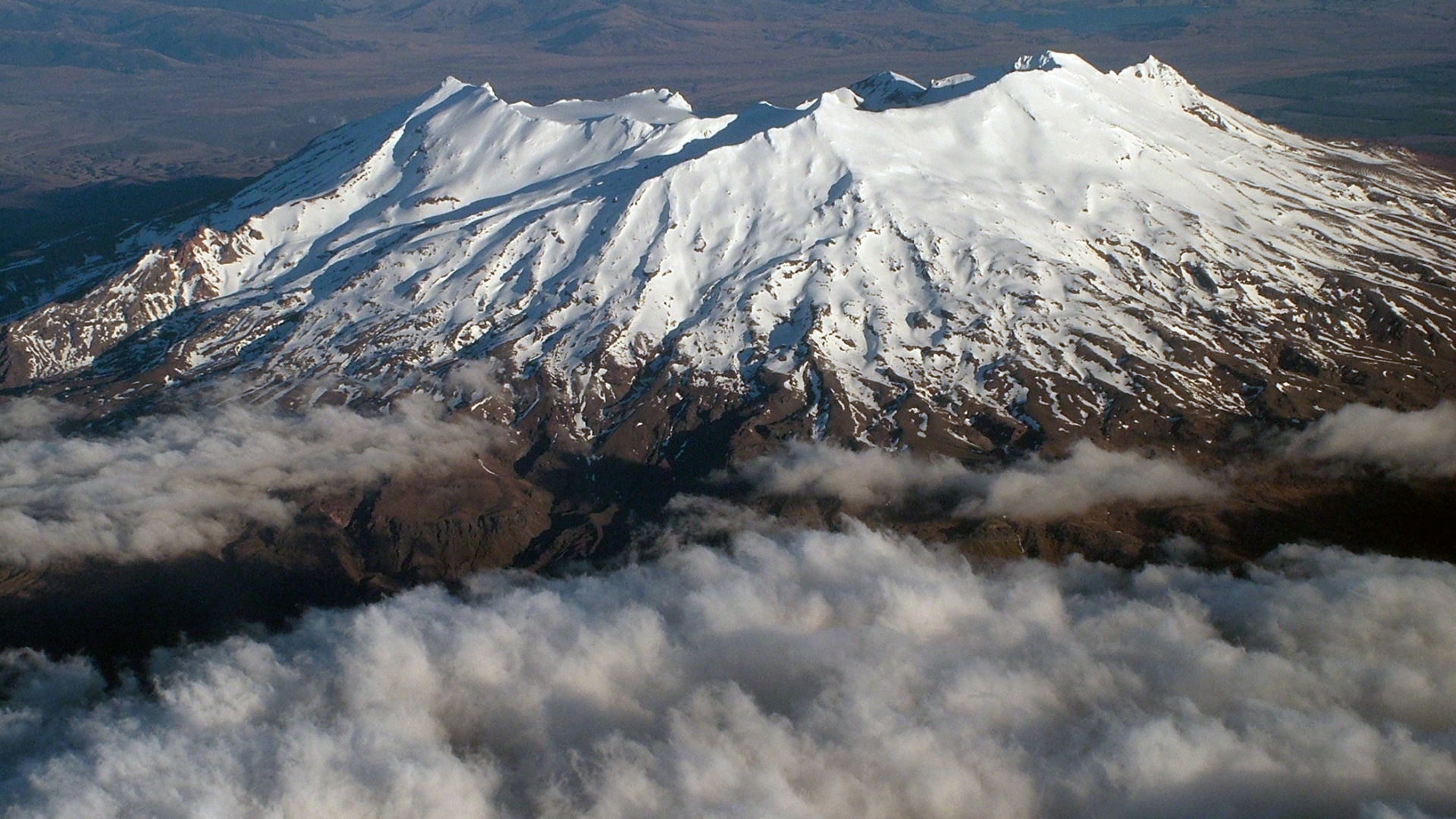
Ruapehu

New Zealand's most active volcano is a complex stratovolcano whose summit crater lake is a persistent hazard. Lahars from phreatic eruptions threaten nearby ski areas and river valleys. Low-level seismic unrest continues following the October 2022 eruption.
Type
Stratovolcano
Elevation
2,797 m / 9,176 ft
Alert Level
1 / 5 — Normal
Location
39.28°S / 175.57°E
Last eruption: October 5, 2022 — low-level seismic unrest continues (GeoNet NZ)
Sakurajima
Erupting
Japan
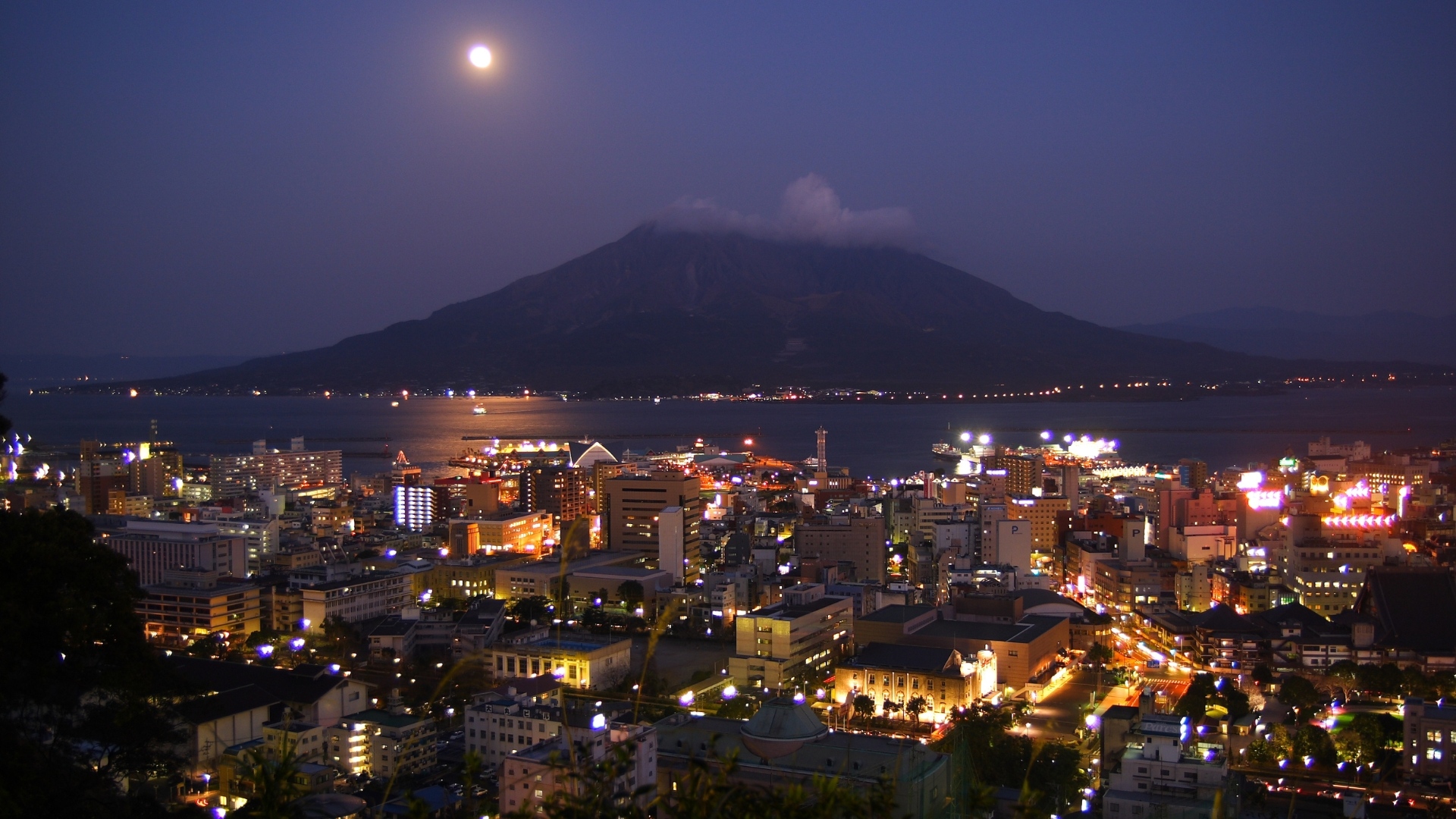
Sakurajima

One of the world's most persistently active volcanoes, producing strong Strombolian to large ash explosions every 4–24 hours. Located just 8 km from the city of Kagoshima and half a million people, it is closely watched and frequently deposits ash on the city.
Type
Stratovolcano
Elevation
1,117 m / 3,665 ft
Alert Level
Level 3 / 5 (JMA)
Location
31.59°N / 130.66°E
Ongoing explosions, ash emissions continuing following pyroclastic flow 10 May (first in 8 yrs) — Level 3/5, 2 km exclusion (JMA, Jun 2026)
San Miguel
Erupting
El Salvador
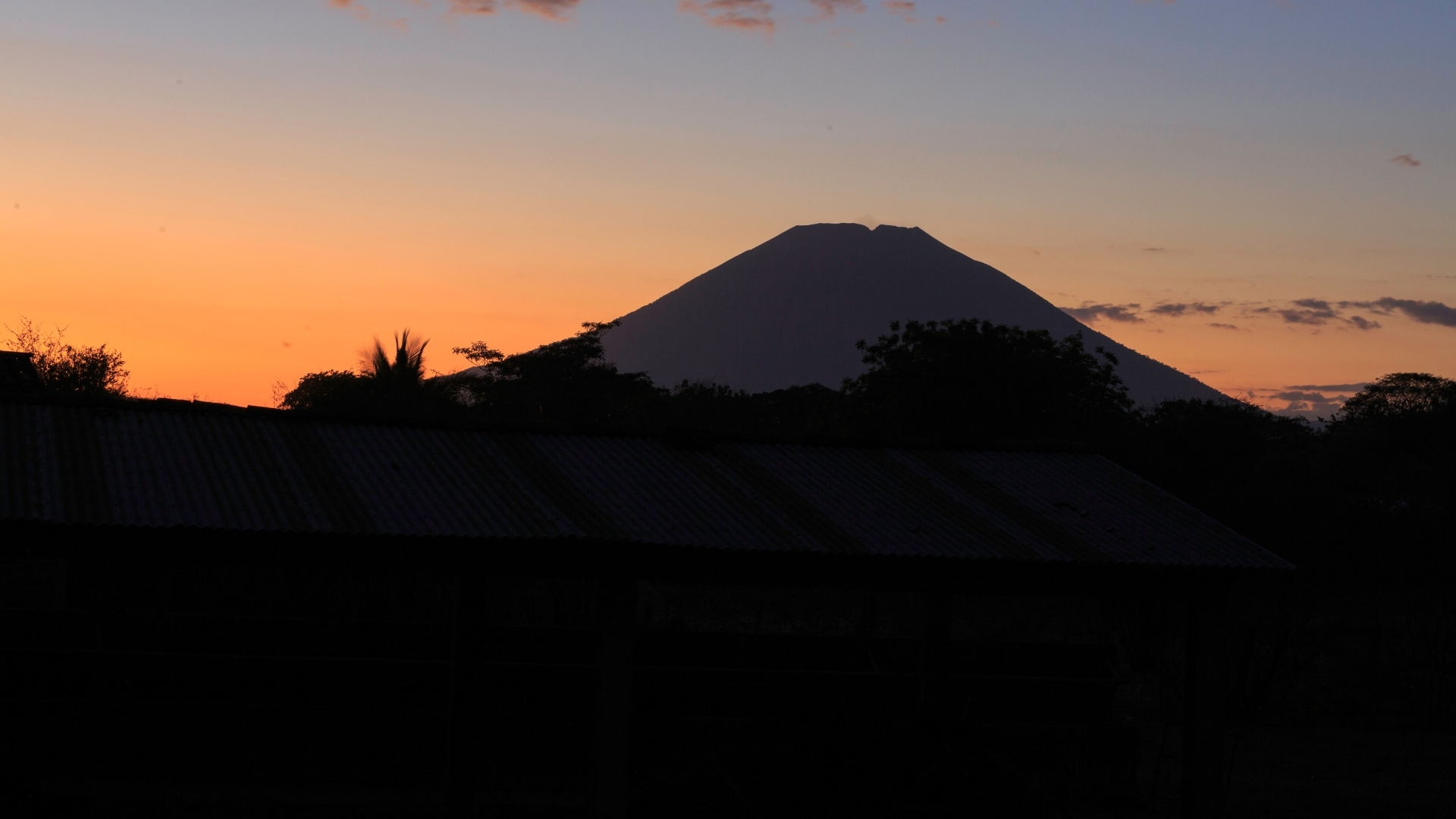
San Miguel

Also known as Chaparrastique, San Miguel's symmetrical cone is one of El Salvador's most recognisable landmarks and most active volcanoes. Flank eruptions have produced lava flows reaching the north, northeast and southeast since the 17th century.
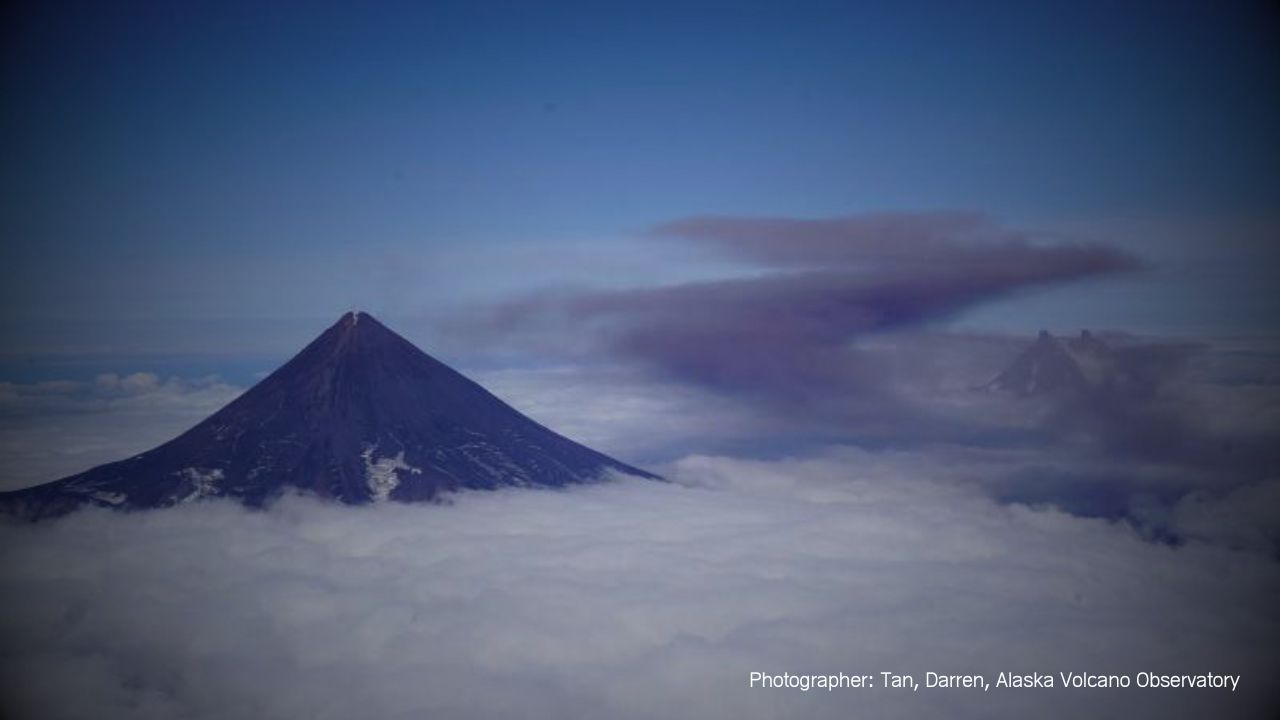
Type
Stratovolcano
Elevation
2,130 m / 6,988 ft
Alert Level
Level 2 / 4 — Alert (SNET/MARN)
Location
El Salvador
Last eruption: May 2023 — low-level fumarolic activity, monitoring ongoing (SNET)
Shishaldin Volcano, Alaska
Caution
Alaska, USA
Shishaldin

One of Alaska's most active and symmetrical stratovolcanoes, rising 2,857 m on Unimak Island in the eastern Aleutians. Known for frequent Strombolian and sub-Plinian eruptions, Shishaldin has been in a state of persistent unrest since 2023. Its near-perfect cone and remote location make it one of the most closely watched volcanoes in the North Pacific.

Elevation
2,857 m / 9,373 ft
Type
Stratovolcano
Country
USA
Alert
Advisory / Yellow
Minor seismicity, infrasound & SO₂ in satellite data, steam plume on webcam — Advisory/Yellow (USGS AVO, 3 Jun 2026)
Semeru
Erupting
Indonesia
Semeru

Java's highest and one of its most active volcanoes — also known as Mahameru (Great Mountain). Its ongoing activity since 1967 is characterised by frequent small-to-moderate summit explosions, occasional lava flows and pyroclastic events reaching the lower flanks.
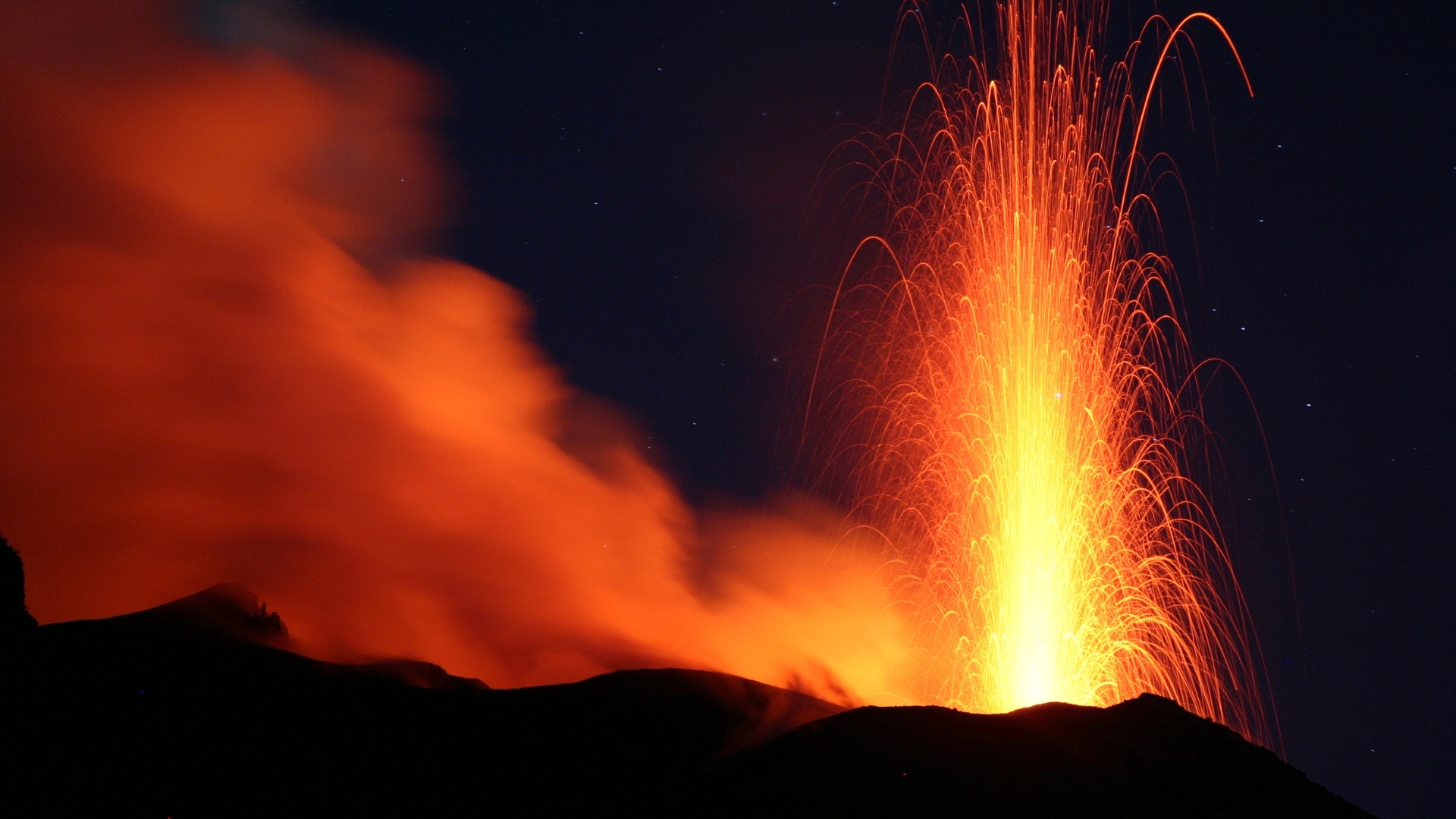
Type
Stratovolcano
Elevation
3,676 m / 12,060 ft
Alert Level
Level III / 4 — Siaga (PVMBG)
8.11°S / 112.92°E
Most active Indonesian volcano in 2026 with 461+ eruptions to May — ash to 1,000 m, ongoing pyroclastic flows, Level III (Siaga) (PVMBG/MAGMA, Jun 2026)
Stromboli
Erupting
Sicily, Italy
Stromboli

The "Lighthouse of the Mediterranean" — Stromboli has been erupting almost continuously for at least 2,000 years. Famous for its regular small explosions throwing glowing lava from summit craters, lending its name to the Strombolian eruption style worldwide.
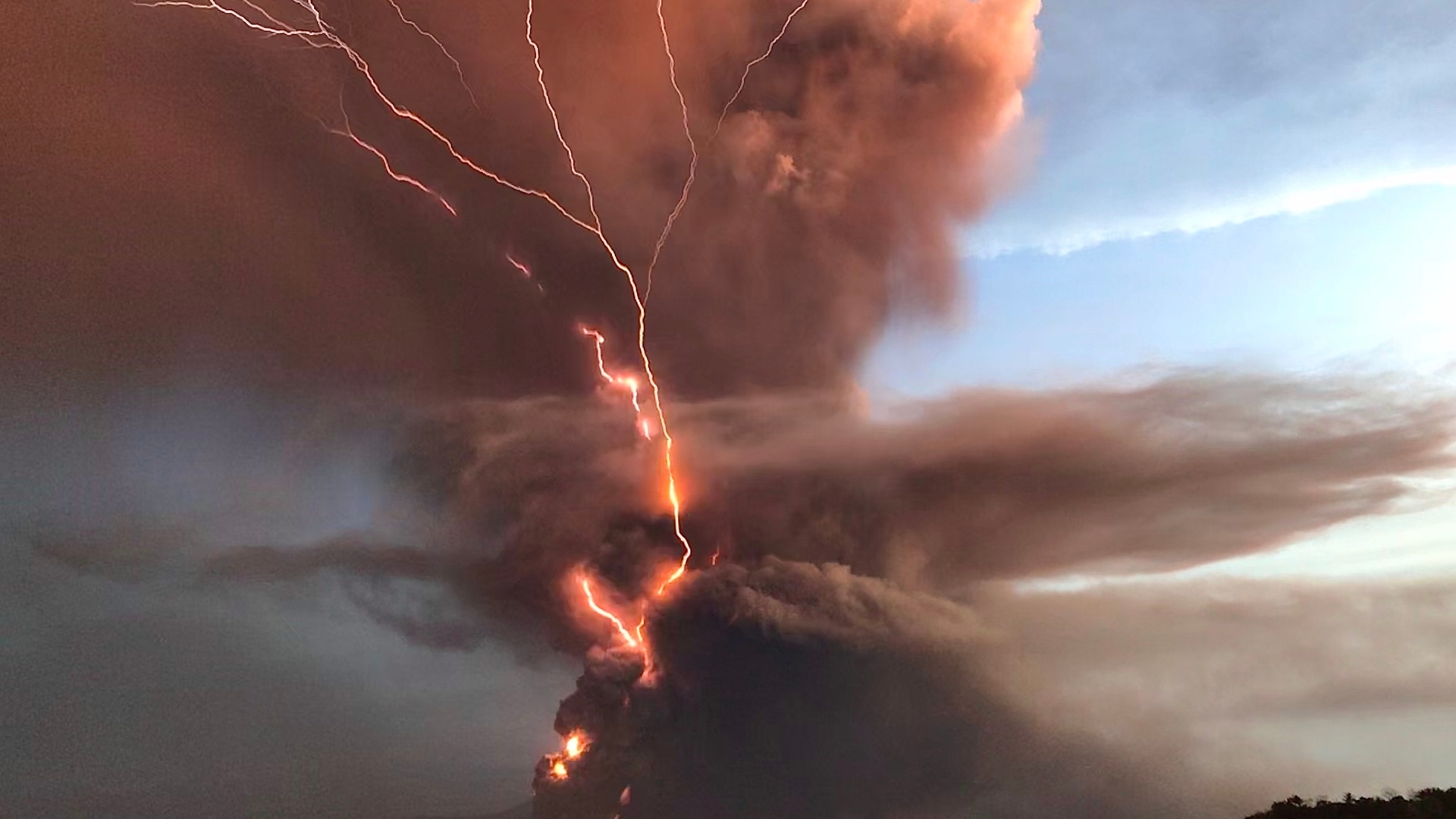
Type
Stratovolcano
Elevation
926 m / 3,038 ft
Alert Level
Yellow (2/4) — Aviation Orange (INGV)
Location
38.79°N / 15.21°E
Elevated explosive activity 4–5 Jun & 7–8 Jun, 13–17 VLP events/hr, 5 N & 2 CS vents active — Yellow (2/4) (INGV, 9 Jun 2026)
Taal
Caution
Philippines
Taal

One of the Philippines' most active and dangerous volcanoes — a beautiful caldera filled with a lake, within which sits a volcanic island with its own crater lake. At least six eruptions since 1572 have claimed lives via pyroclastic flows and tsunamis across the crater lake.

Type
Caldera
Elevation
311 m / 1,020 ft
Alert Level
Alert Level 1 / 5 (PHIVOLCS)
Location
14°N / 120.99°E
Volcanic tremor ongoing since 2 Jun, SO₂ to 9,391 t/d on 5 Jun — Alert Level 2/5 raised, TVI remains full PDZ (PHIVOLCS, 6 Jun 2026)
Teide, Tenerife
Caution
Tenerife, Spain
Teide

Spain's highest peak and one of the world's largest volcanoes by volume. Teide experienced a sustained earthquake swarm beneath the Las Cañadas caldera in February 2026, consistent with deep hydrothermal adjustment. No eruptive activity has occurred since 1909.

Type
Stratovolcano
Elevation
3,715 m / 12,188 ft
Alert Level
No change — monitoring ongoing (IGN / INVOLCAN)
Location
28.27°N / 16.64°W
Seismic swarm Feb 2026, hypocentres 8–12 km depth — no shallow migration or harmonic tremor (IGN)
Yellowstone
Dormant
USA
Yellowstone

Three volcanic cycles spanning two million years produced some of the greatest eruptions in planetary history. The current 45 × 85 km caldera formed 640,000 years ago. Today Yellowstone's vast hydrothermal system — geysers, hot springs and fumaroles — remains intensely active.

Type
Caldera / Lava Dome
Elevation
2,805 m / 9,203 ft
Status
Dormant
Location
Yellowstone NP, USA
No volcanic eruption since Pleistocene — hydrothermal system active, routine monitoring (USGS/YVO)
📝 Data sourced from official national monitoring agencies including USGS HVO, PVMBG/MAGMA, INGV, JMA, PHIVOLCS, IMO, CENAPRED, INSIVUMEH, OVSICORI-UNA & USGS AVO, and the Smithsonian Global Volcanism Program. For live coverage visit our YouTube channel.